My 05:00 wake-up call came early. I was leaving Darwin for a two day tour of Kakadu National Park. The bus left my hotel bright and early at 06:30, and I was surprised to see my tour guide fro from the day before, Anthony, waiting to greet me.
We made our way out of Darwin and along the Arnhem Highway. We were on our way to Jabiru, the main service centre for the park, which is located about three hours from Darwin. The landscape along the way was filled with mangrove trees and termite mounds.
Termites are very common in this region, and I was surprised to learn just how intelligent they are. Some colonies grow up to 6 m tall, with about 1 m for every 10 years of the colony’s existence.
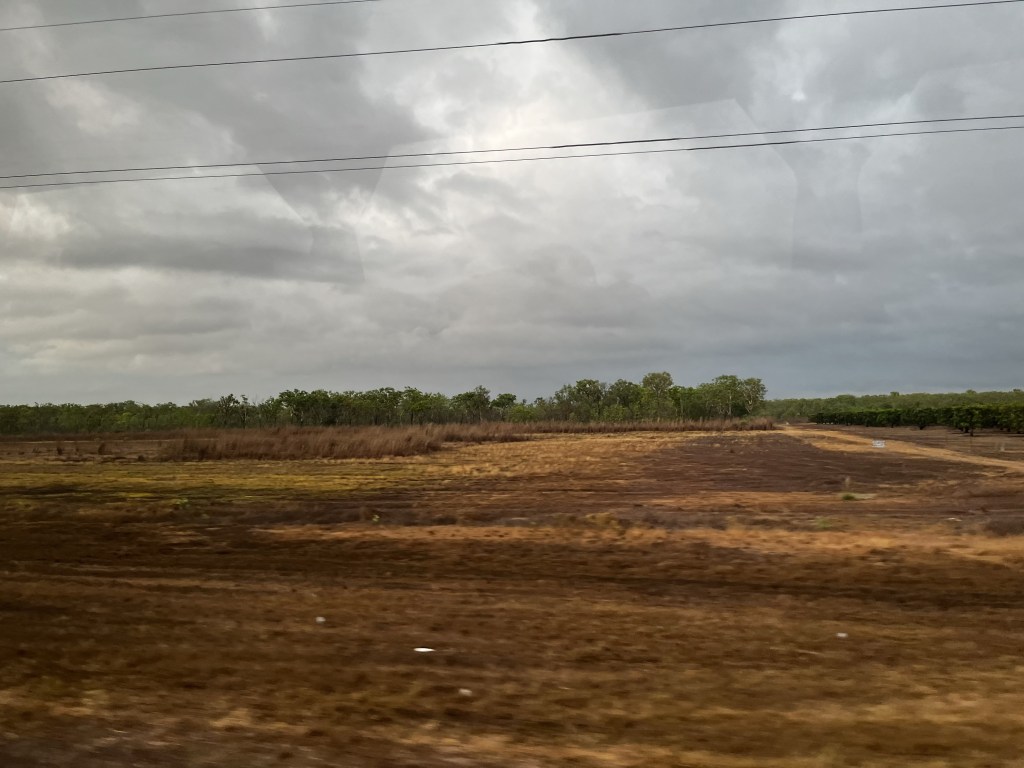
Just outside of Humpty Doo were many mango orchards. The trees are pruned to ensure they don’t grow too tall. We saw what happens when the mango trees aren’t properly manicured; they grow far too tall to be manageable.
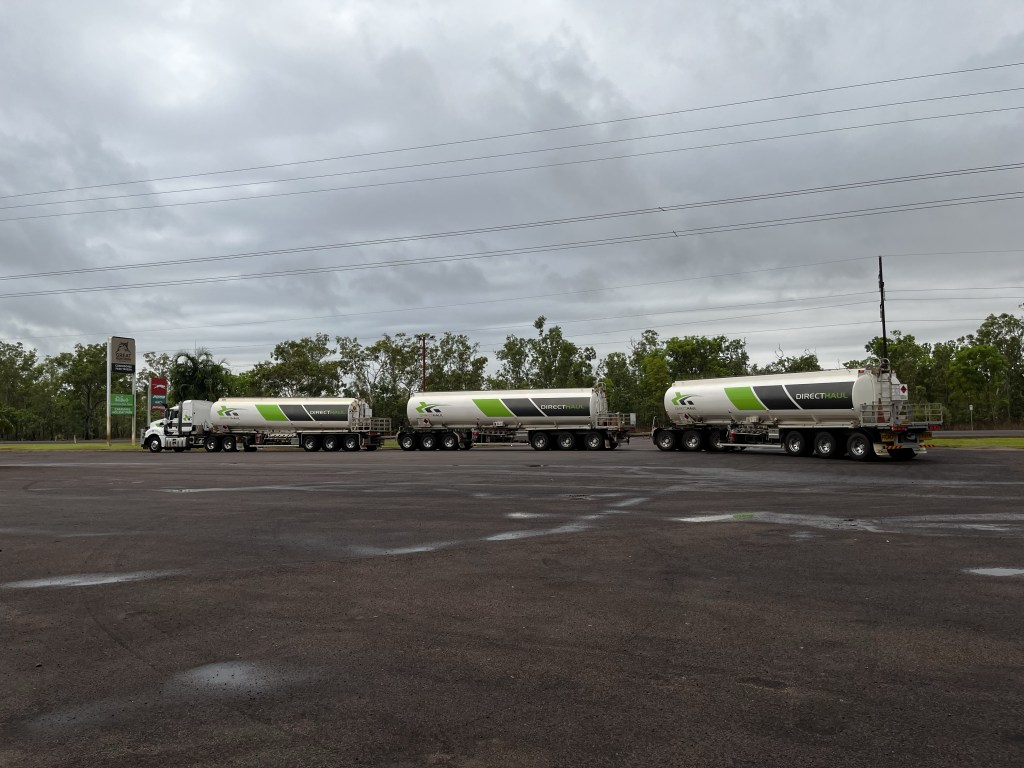
Our morning stop was at a service station in Corroboree. Waiting there was a road train carrying three trailers of fuel. Road trains are quite common out here, and can be up to four trailers long. They help to serve the remote areas of the outback which aren’t serviced by rail.
We made our way into Kakadu National Park and across the South Alligator River. Despite the name, there are no alligators in this part of the world. The South, East, and West Alligators were erroneously named for the alligators of South America, and there was little will to correct the names after the fact.
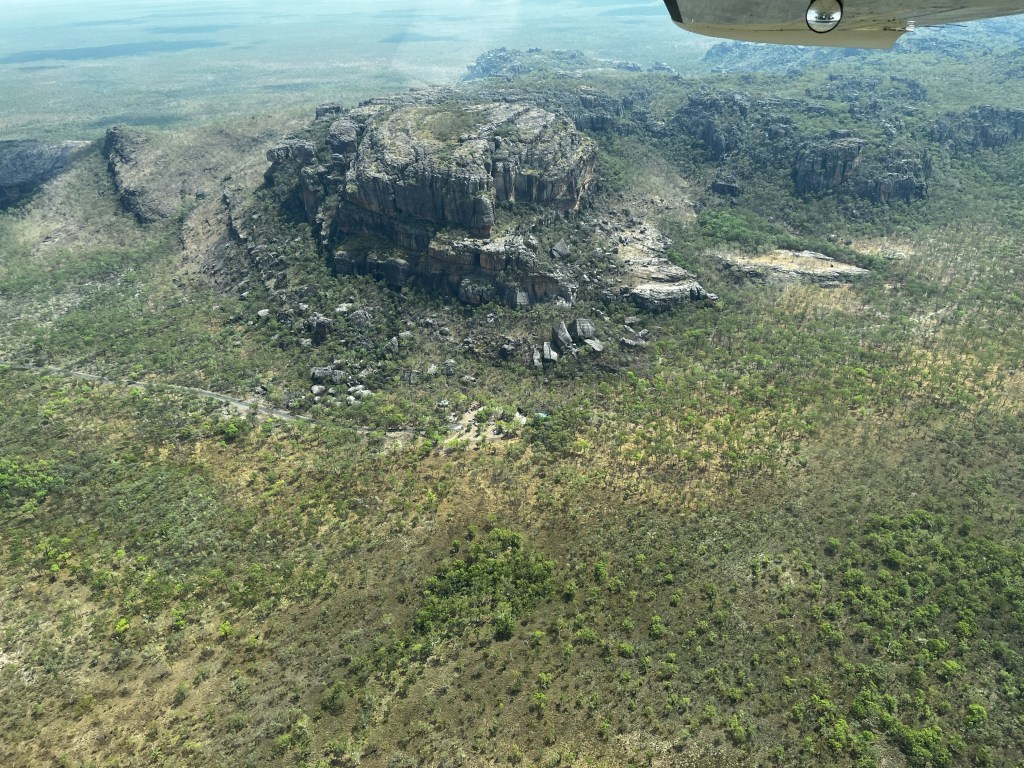
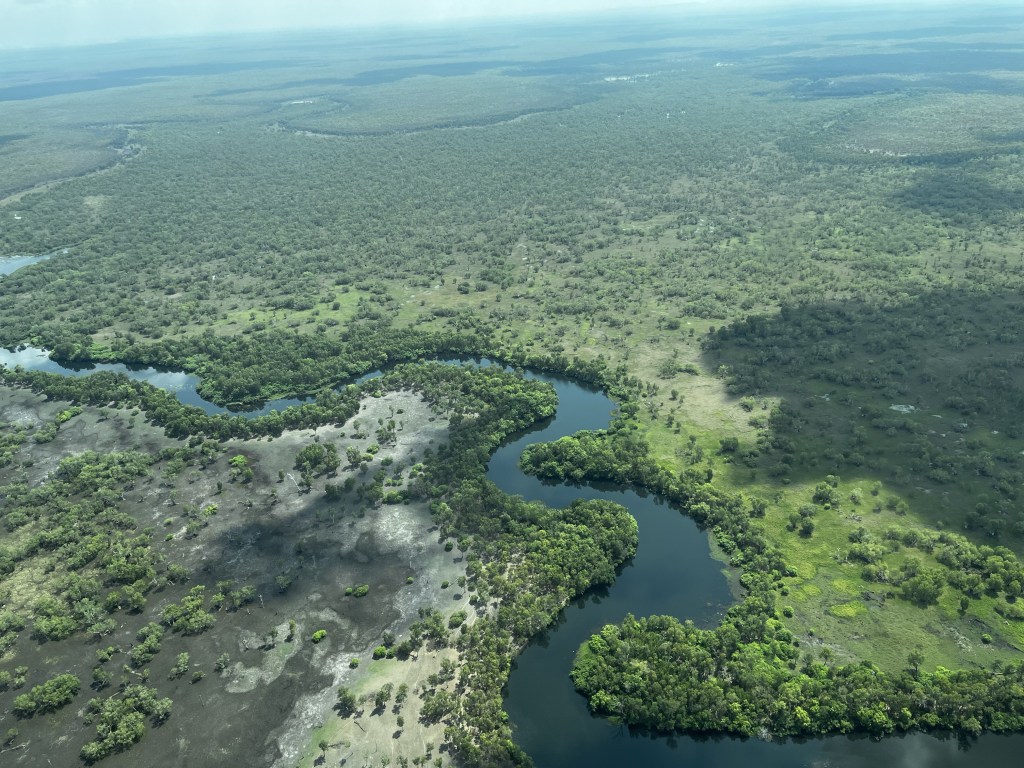
I had the opportunity to do a scenic flight, and the price was quite reasonable, so I decided to take it. Three of us from the tour took it, and we went up in a little Cessna 210. Our maximum altitude along the way was 1,500 ft, which provided sweeping views over the park. You could easily see the incredible rock formations, and the wetlands which are flooded during the wet season.
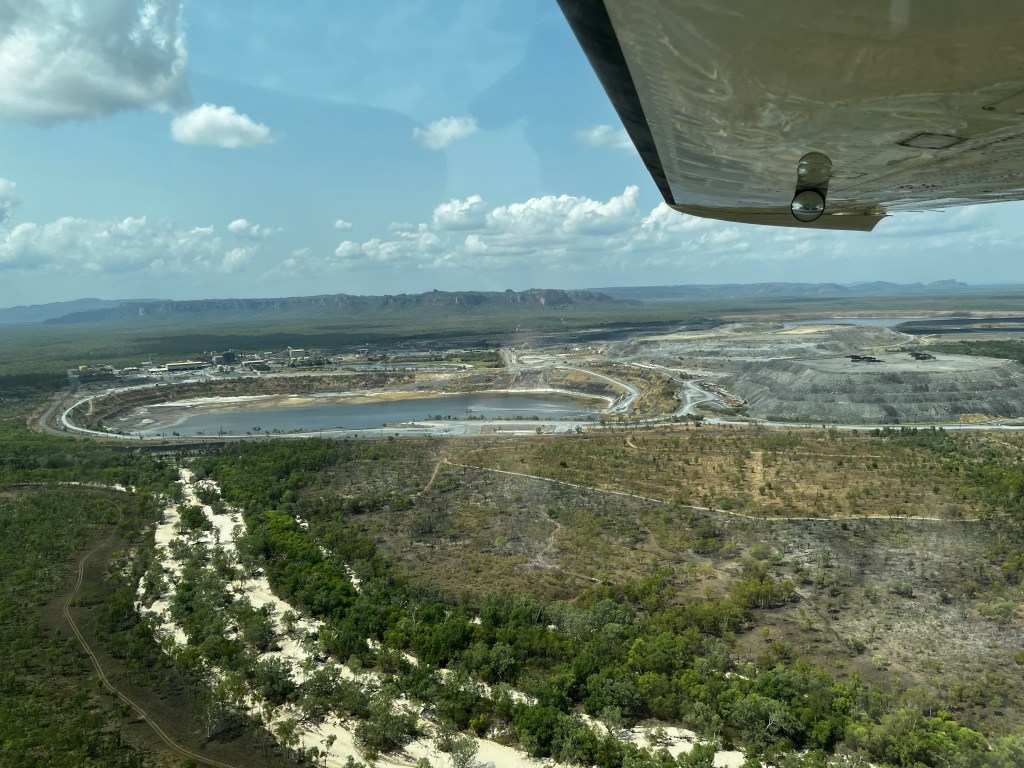
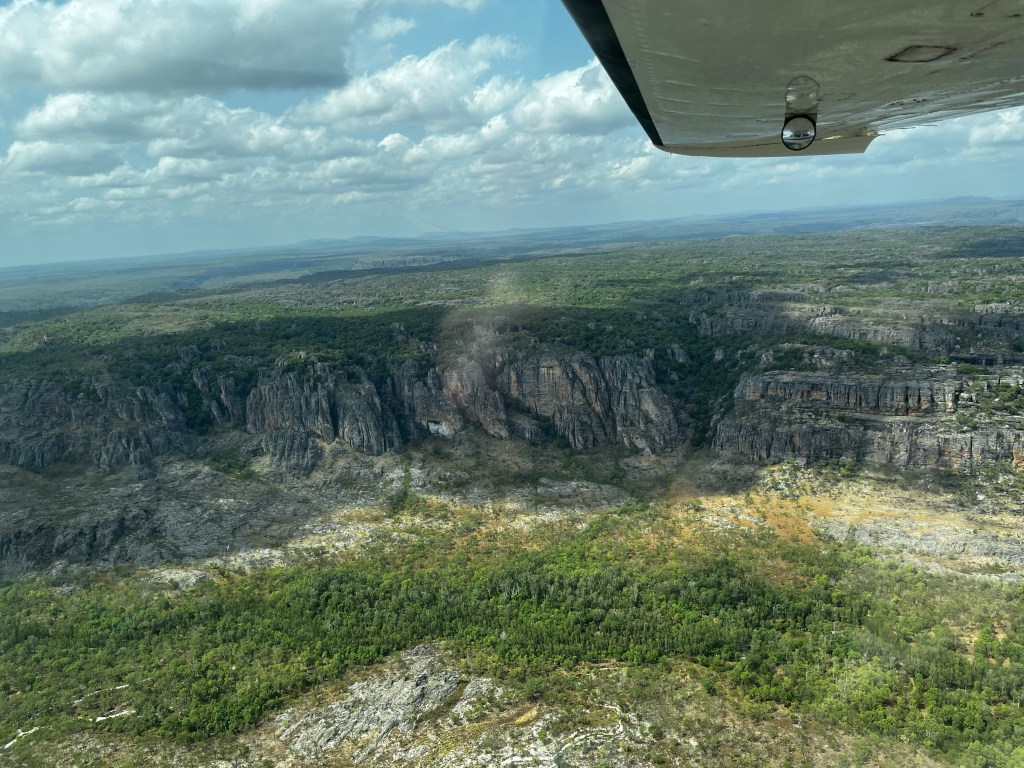
Our pilot masterfully guided us through the hot air which provided some bumps along the way. I had never been in such a small plane before, and despite my experience with flight simulator, I had expected it to be a smoother ride. That said, it was quite exciting, and I was in awe of the landscape below.
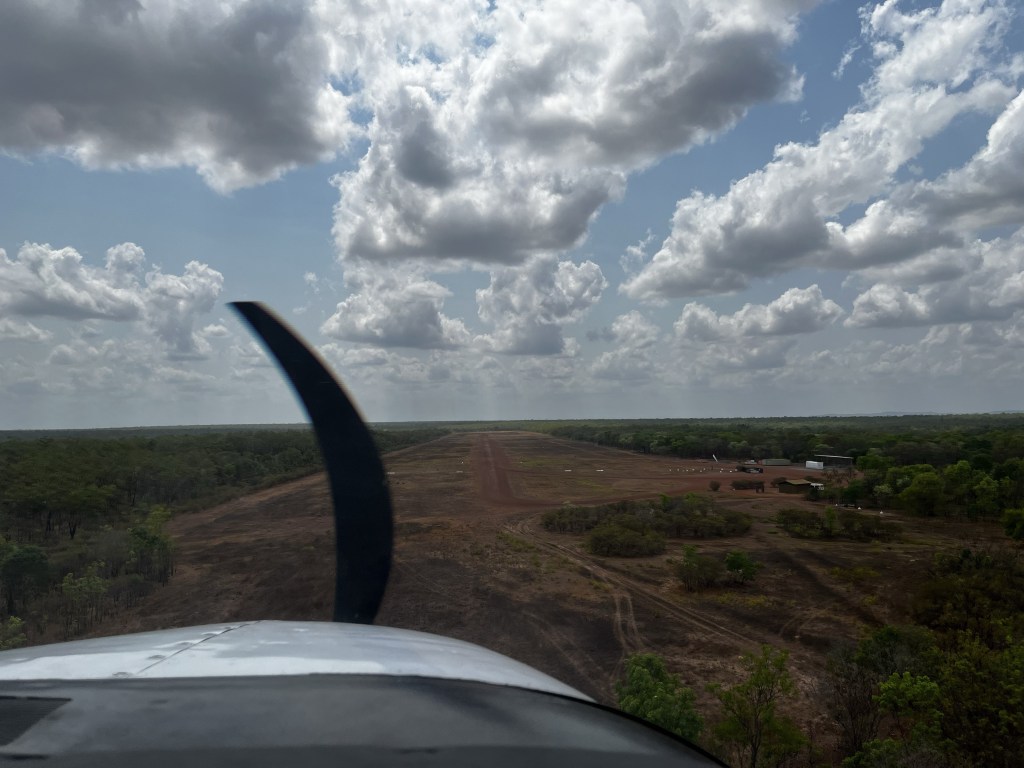
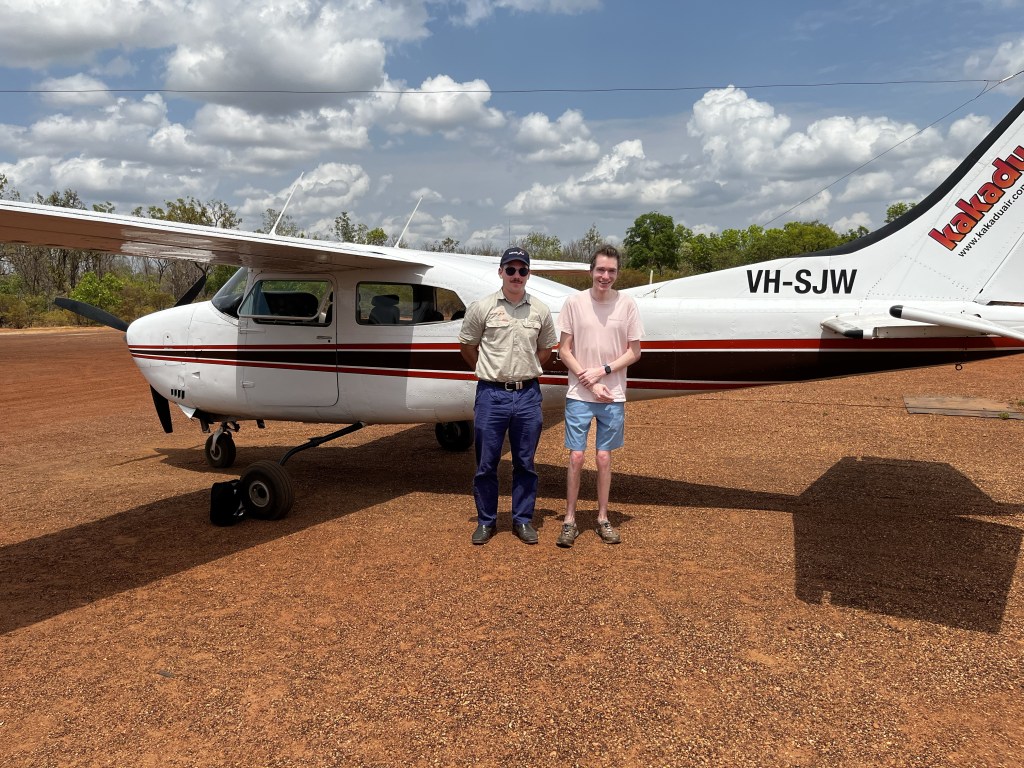
We landed in Cooinda and met up with the rest of our group there. Next on the agenda was a cruise through the Yellow Water Billabong. A billabong is a land-locked body of water which is created when a river meander closes off.
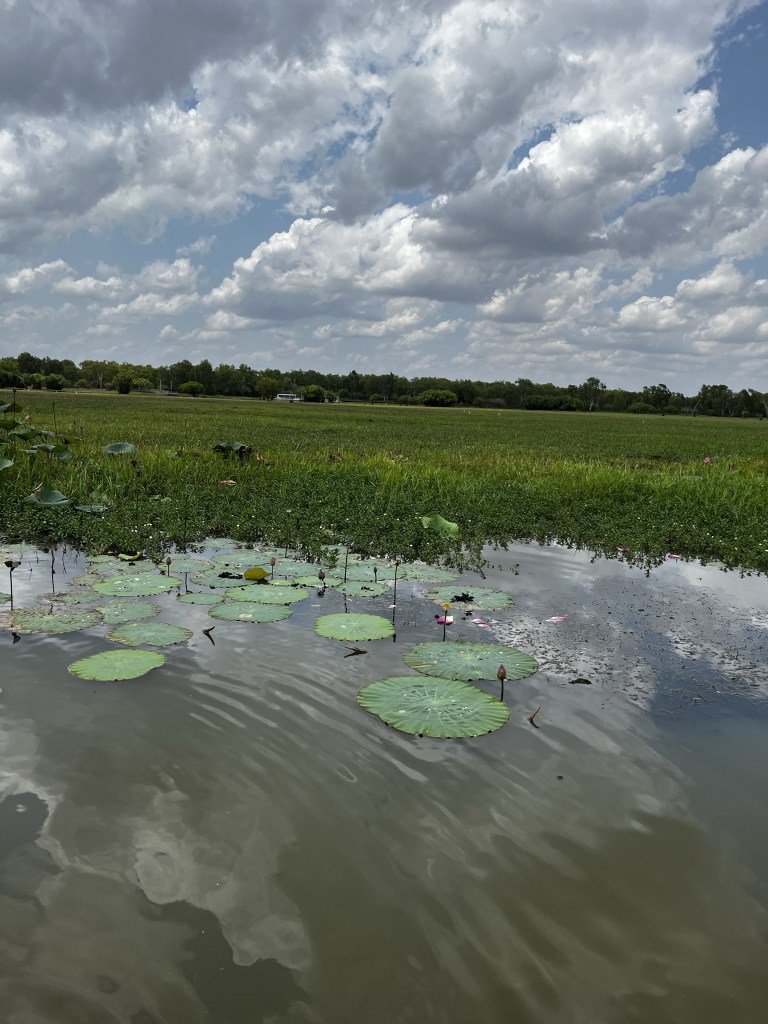
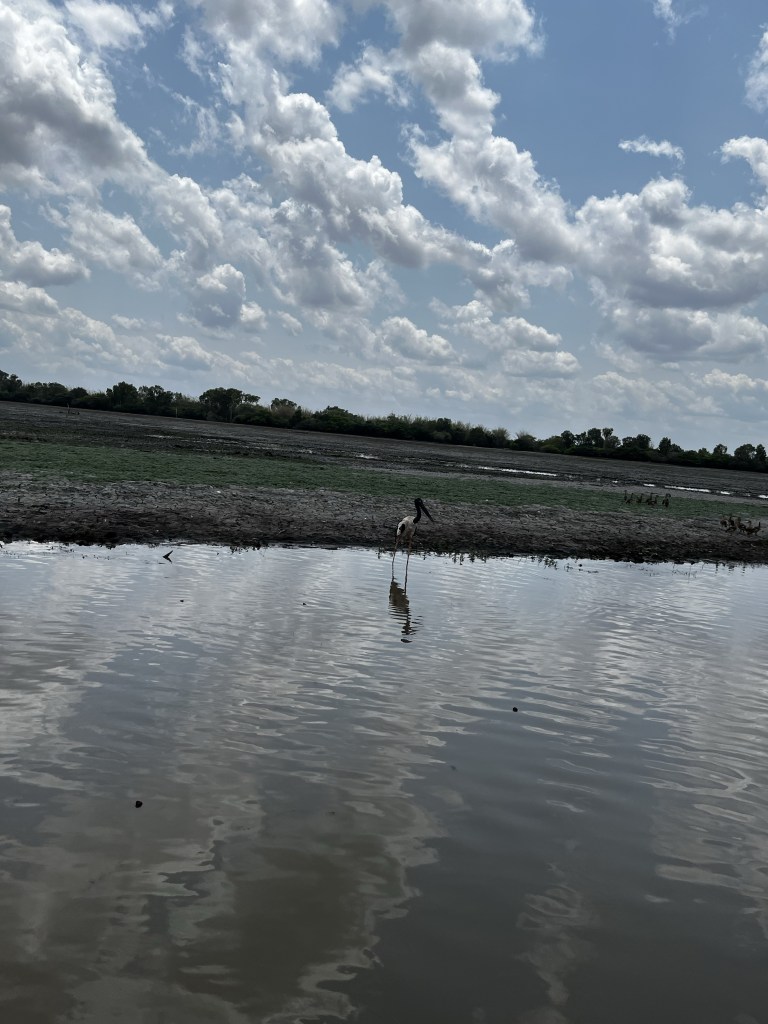
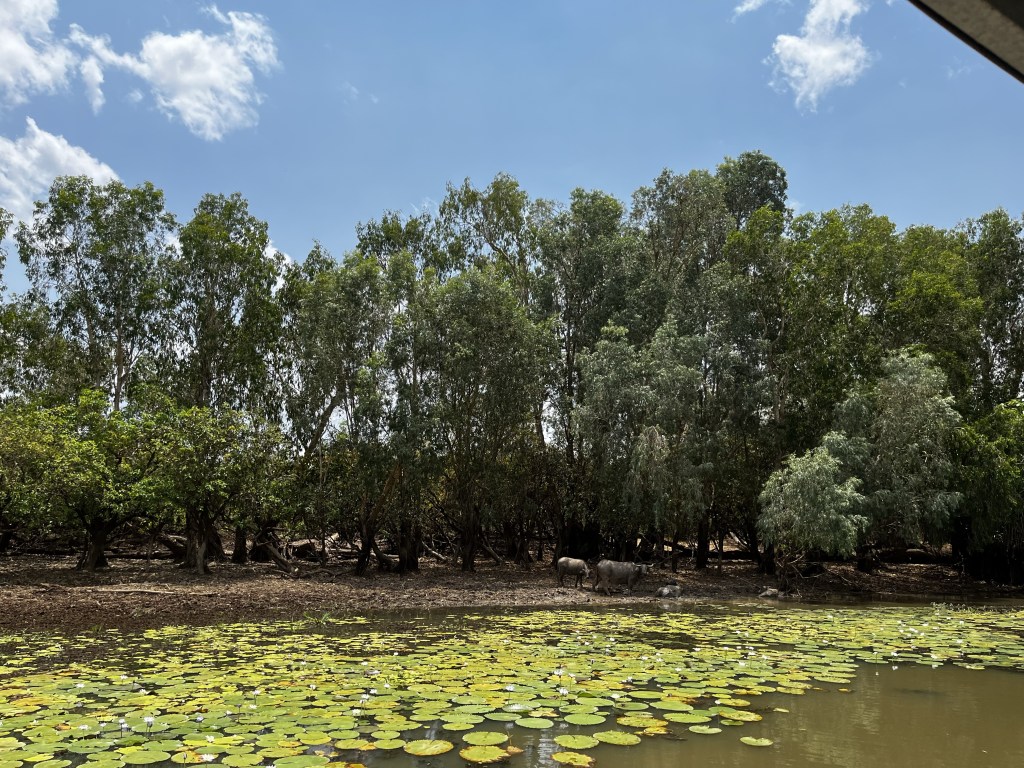
In and along the water are saltwater crocodiles, as well as many species of birds. Water buffalo roam the areas along the banks of the river.
Not native to the region, the water buffalo were brought over from Southeast Asia in the late-1800s. Along with feral pigs, they ended up reproducing in large numbers and became a nuisance to both humans and the native wildlife of the area. That said, they are quite striking and seem to fit into the landscape quite well.
It was time for lunch, and since I was in the Northern Territory, I decided to order the barramundi. I’m not typically one for fish, but it was fantastic and provided me with enough energy to get through the remainder of the day.
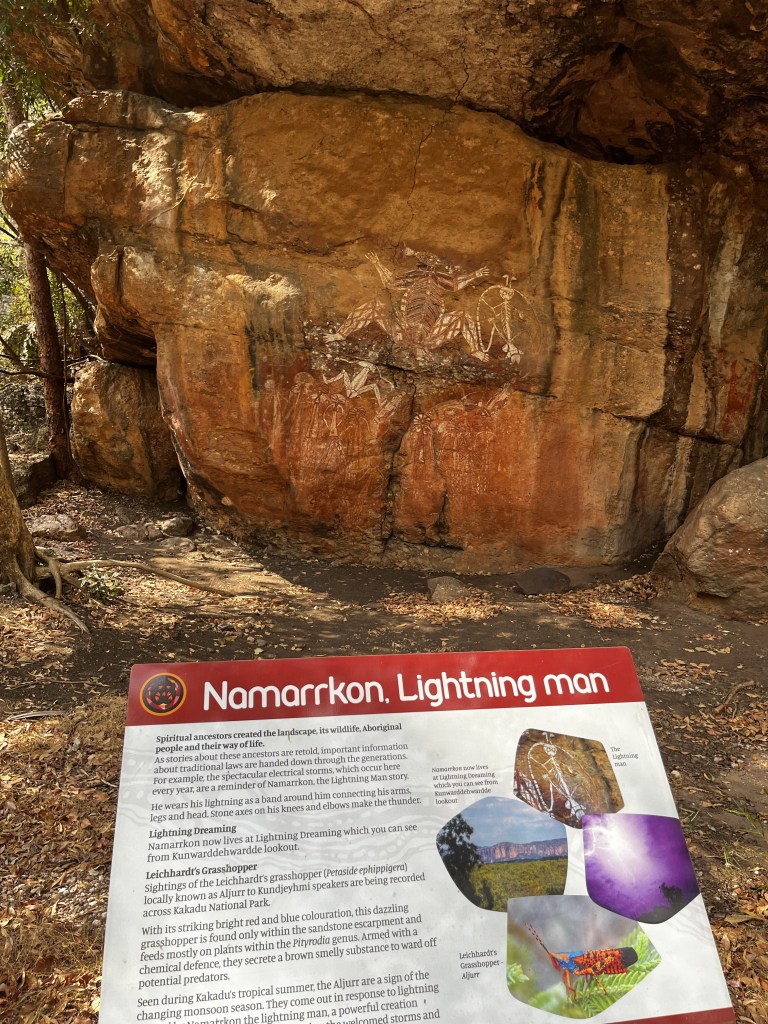
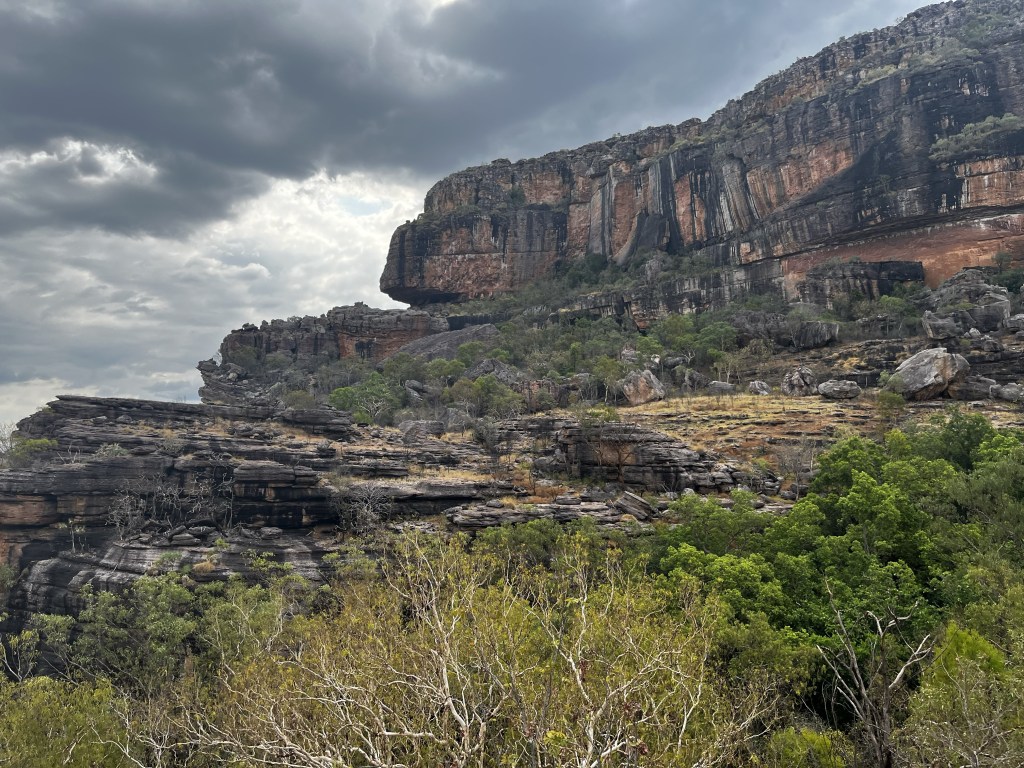
After lunch, we made our way up to Nourlangie, an area known for its Aboriginal rock paintings. Aboriginal rock art was traditionally done to tell stories, teach lessons, or provide details about the local area. Of particular interest was the painting of Namarrkon, Lightning Man.
We then made our way up to the lookout, which involved a trek up lots of uneven rocks. Some people had opted to stay behind but I decided to try and make it up to the top. Thankfully I had some assistance, and it was well worth it, as the view over the area complemented the flight from the morning.
It was time to make our way back to Jabiru and check into the hotel. We were staying at the Mercure Kakadu Crocodile Hotel, a unique hotel that as the name suggests, is shaped like a croc. I settled into my room and tried to catch up on some blog posts before heading to bed for a well-deserved rest.
Today by the numbers
Steps taken: 7,049
Daily high: 38


 Quinn Kozlowski
Leave a comment