I woke up at 09:30 feeling exhausted from the night before. Daylight savings happened overnight and I lost an hour of sleep. Combined with not yet being fully adjusted to the time change, I knew it wasn’t going to be getting up to all that much today.
Thankfully breakfast was still being served until 11:00, so I made my way down to get some food. When I made it back to my room, I went to lie down in my bed for another hour before going out to see the city.
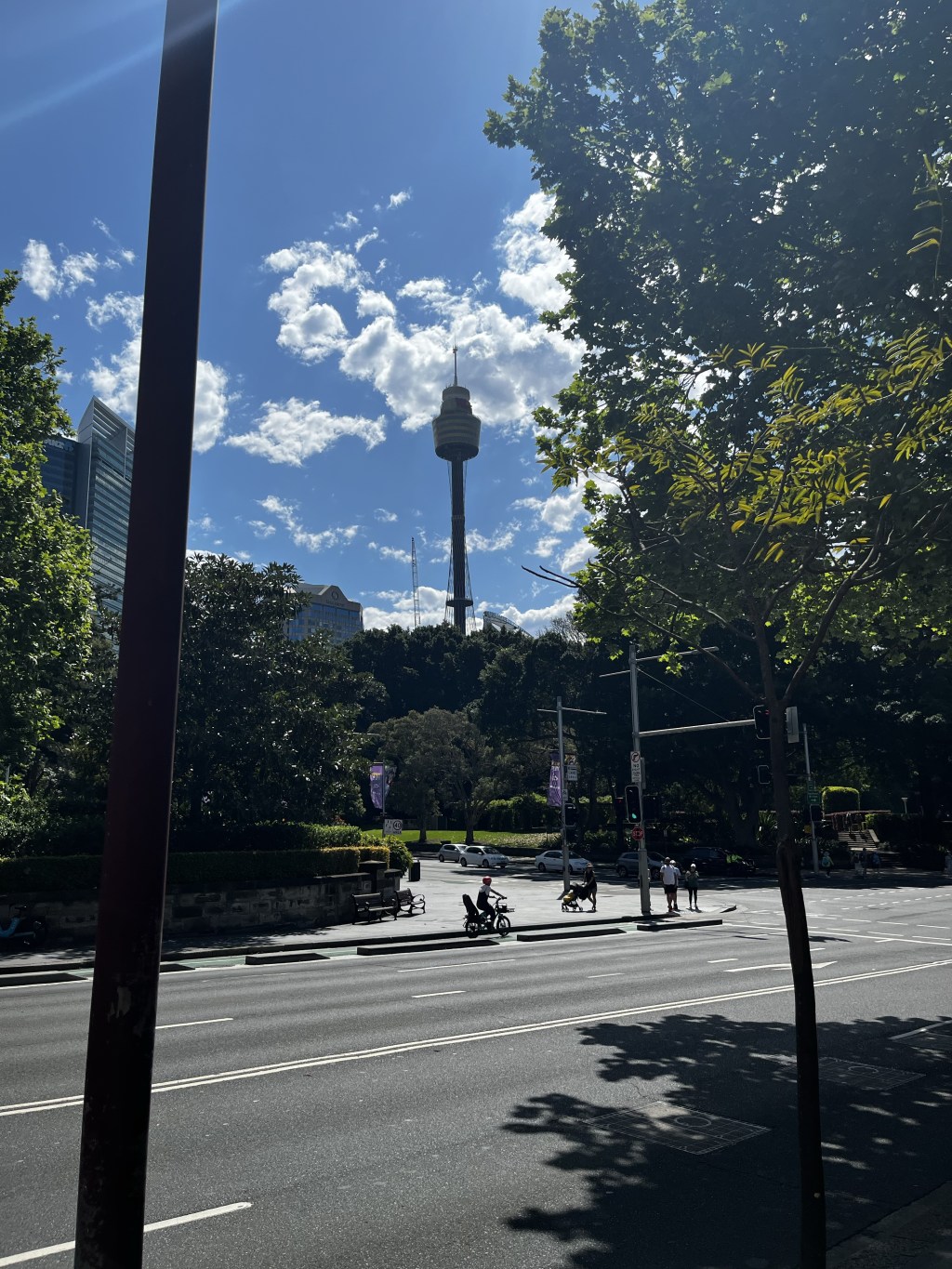
It was going to be a scorcher, so I figured it would be a good day to visit the Australian Museum, which had free admission, and enjoy some air conditioning. Against my better judgement, I decided to walk to the museum, which was about 20 minutes away.
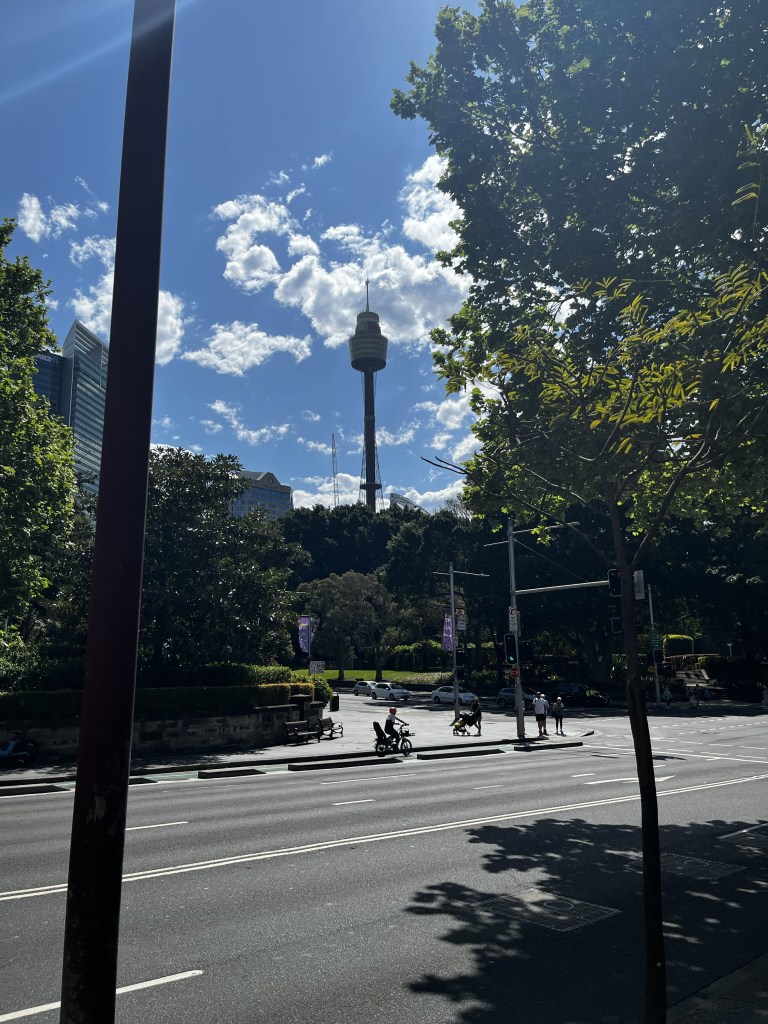
The cool museum was a refreshing antidote to the warm weather outside. Normally when I visit museums, I’ll grab a wheelchair and one of my friends will push me around. Since I was on my own, I wandered around at a leisurely pace, taking lots of breaks to sit down.
One of the exhibitions focused on the Indigenous history of Australia. Where Sydney now stands is the traditional home of the Gadigal people of the Eora nation. Similar to North America, the European colonizers brought smallpox with them, which absolutely decimated the local population. An epidemic in 1789 wiped out an estimated 70% of the population in the Sydney area.
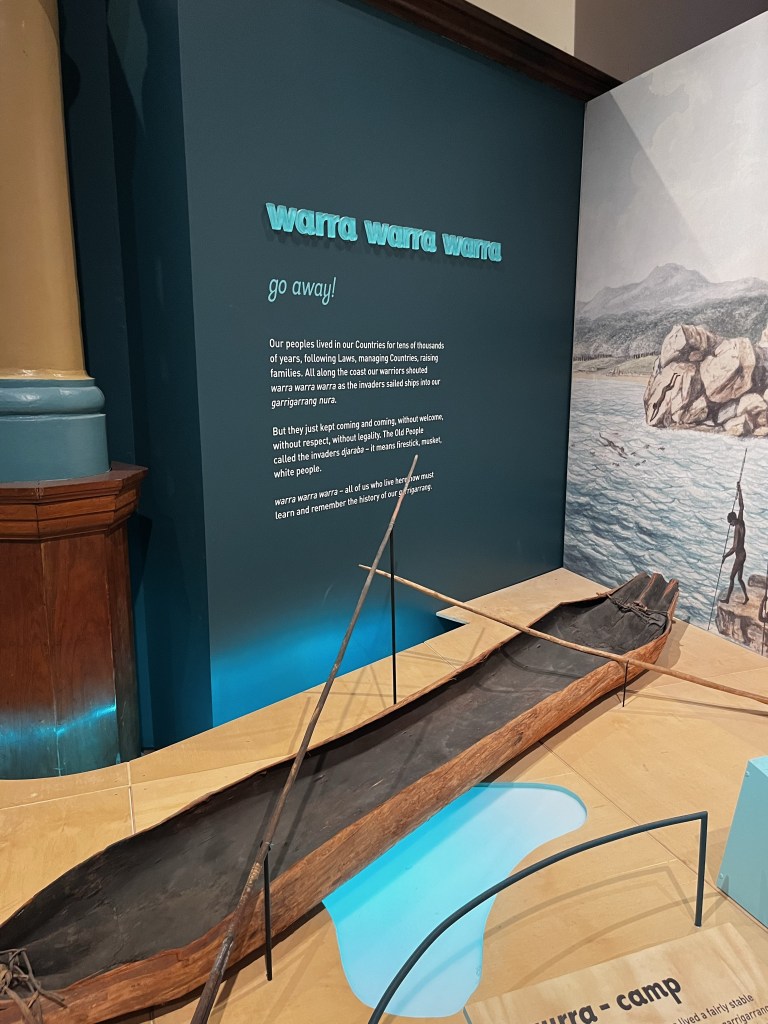
Also similar to the First Nations of North America were the Indigenous peoples’ relationship to the land and wildlife. When hunting, all parts of the animal were used, and they only hunted what was absolutely necessary; there was no waste.
A common theme in Australia is overfishing, and this is particularly damaging in the northern waters. Indonesian fishers illegally make their way into Australian waters, leaving nets which devastate the fish populations. The Australian coast guard is unable to effectively patrol the territorial waters, so there’s very little stopping the Indonesians from continuing to harm the aquatic ecosystem.
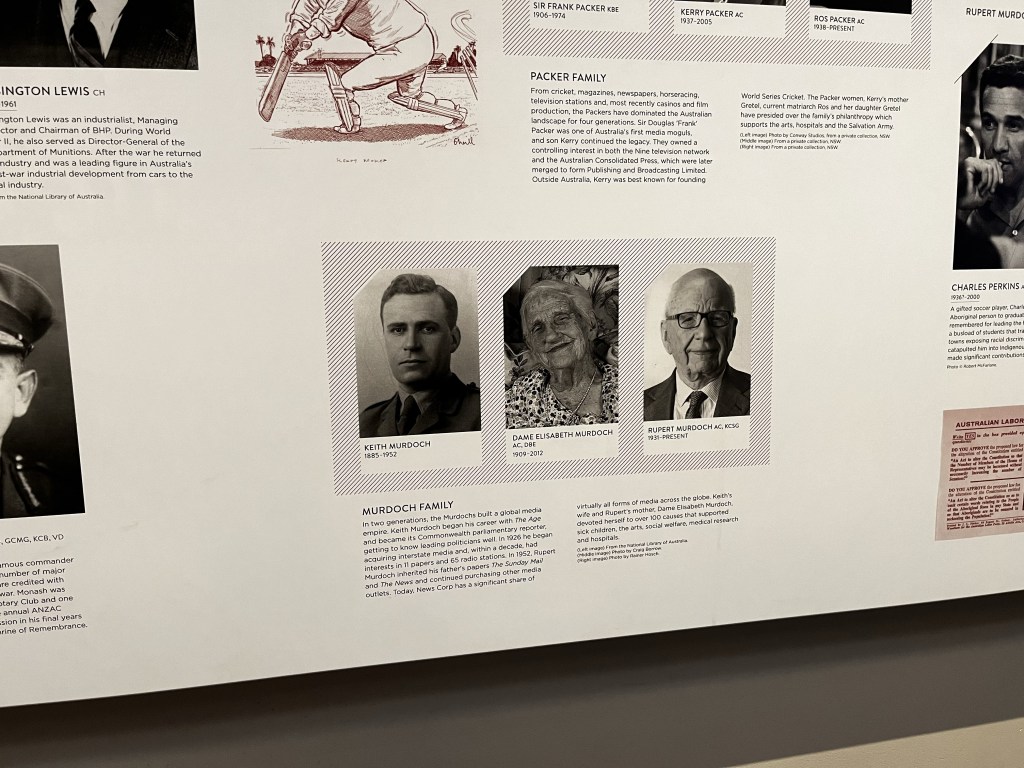
One section of the museum featured 100 prominent Australians. Included in this exhibit was the Murdoch family, whose son Rupert is the founder of right-wing “news” stations Sky News and Fox News. While it is impossible to deny the impact they have had on the world, it is not one to be proud of, as they have contributed greatly to the climate of negativity and hate so prominent today. That being said, museums are a place to showcase history, and I don’t think we should be censoring the ugly parts.
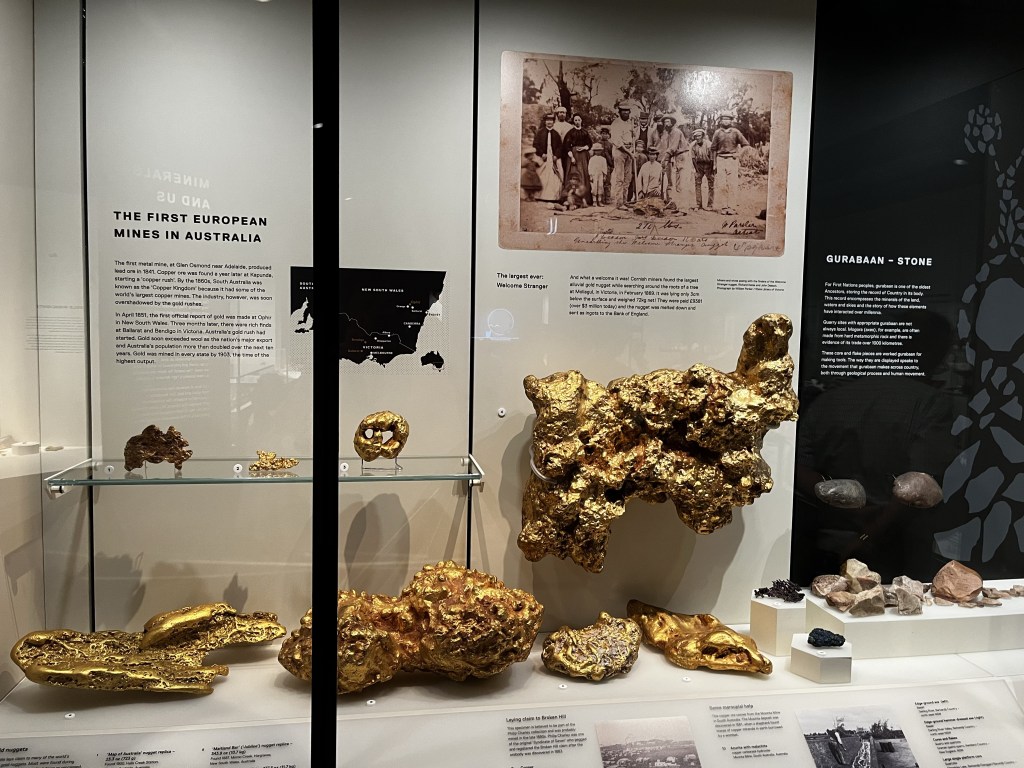
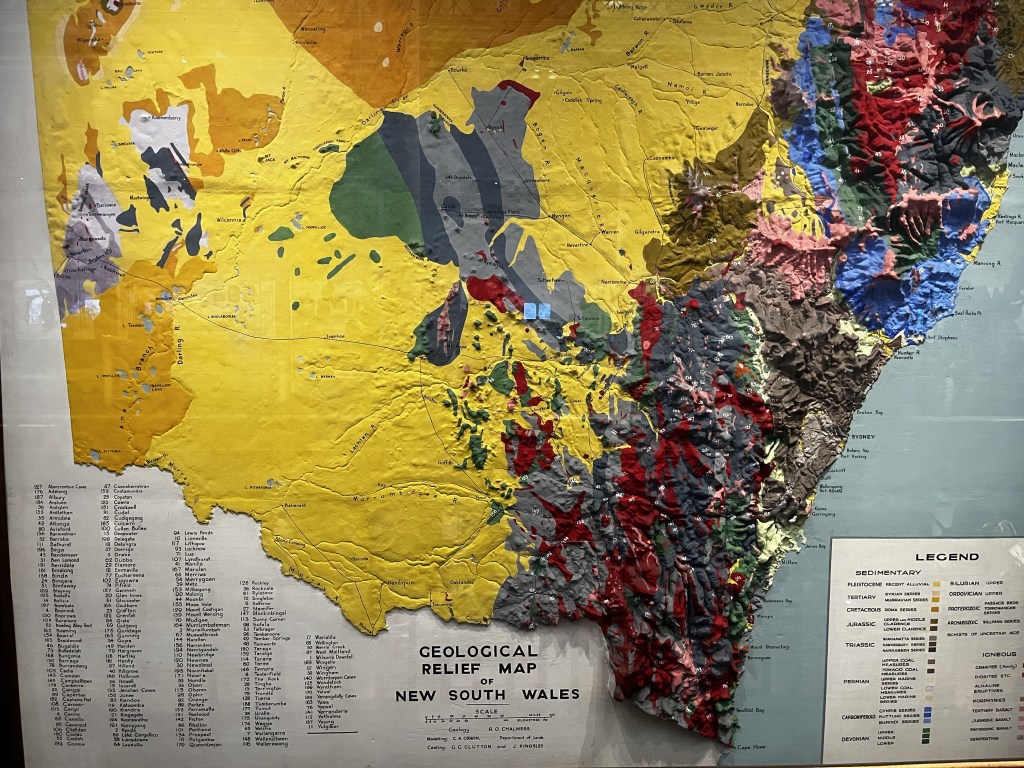
Another exhibit focused on the mineralogical history of Australia. Over 95% of the worlds’ opals come from Australia, in places such as Coober Pedy, where I’ll be visiting later in the trip.
Upstairs were exhibits on dinosaurs and Australian wildlife. I was never particularly interested in dinosaurs, so I made my way to learn about kangaroos and wombats.
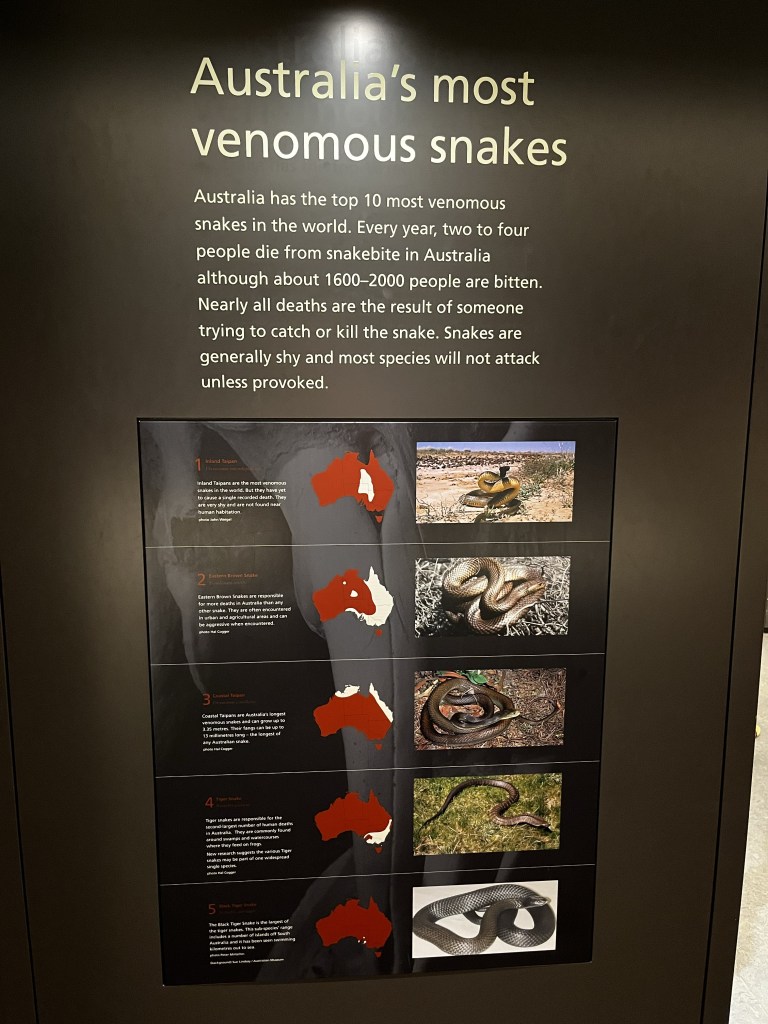
Before leaving, a number of people asked me if I was afraid of snakes and spiders. When I was living in South Australia, it was the spiders that scared me most, even though all I really saw were the harmless daddy long legs. As you can see below, the statistics are in my favour, but it’s always good to pay attention the surroundings.
Having seen most of the things I wanted to see, I quickly wandered through the rest of the museum.
After visiting the museum, I took a bus out to Randwick, then rode the light rail back into the city. The southeast light rail is 12 km in length and features two services which opened in stages between 2019 and 2020. As someone who has been (impatiently) waiting for the Valley Line in Edmonton to open, it’s quite depressing to see just how well Sydney has managed their transit projects.
In the less than 15 years since I visited Sydney last, they opened a brand new metro, extended a light rail line, built two brand new ones, not to mention all the projects currently underway. Lots of construction hoardings were up around the CBD advertising all the work going on, and I am incredibly jealous of what they are going to be getting.
Obviously there can’t be an apples to apples comparison given that Sydney is five times the size of Edmonton and has a much more forgiving climate for getting work done, but there surely must be something to learn. I’ve seen so many transit projects in Canada over the last decade go well beyond their projected timeline, so what is it that we can be doing better?
Unlike last night, I had a craving for Thai food, so I got off the tram in Chinatown and found a cozy restaurant just off George Street. George Street was largely pedestrianized during the construction of the light rail, and was full of people all the way up and down. Another thing I love about Sydney is there are so many benches; it really makes for a much more welcoming place when you can have a spot to sit down, especially for someone with a disability, like me.
I was pretty sore from all the walking from the day before, and still adjusting to the time change, so I made my way back to the hotel and called it a night.
Today by the numbers
Steps taken: 7,893
Daily high: 35


 Quinn Kozlowski
Leave a reply to Quinn Kozlowski Cancel reply