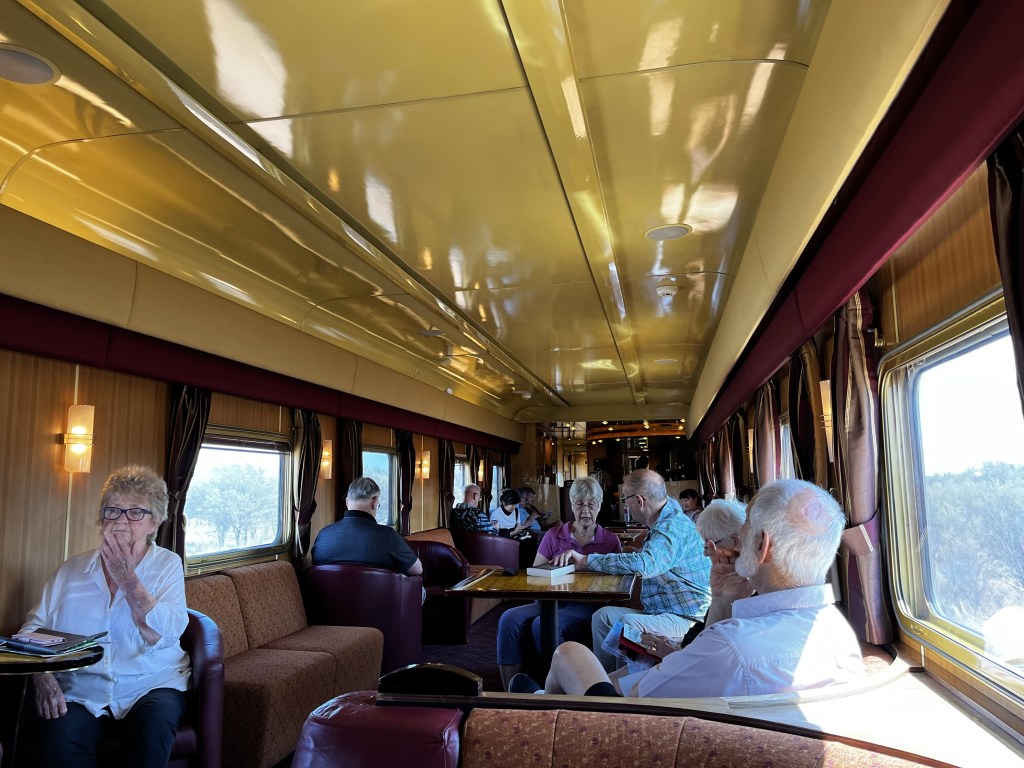
I woke up shortly after sunrise having had a restful night of sleep. The bed in my cabin was very comfortable, and the motion of the train was quite comforting. I was a bit worried that being near the front of the train would be loud, but it didn’t prove to be an issue, as I had my best night of sleep on the trip.
I made my way down to try out the shower onboard. In the singles carriage, there were two toilets at my end, and another two with showers at the other end. The showers were very clean and quite spacious, especially compared with my experience on Amtrak. Inside the shower was a grab bar, which was excellent to have since the train would rock back and forth.
After my shower, I got dressed and made my way down to the lounge to get a table for breakfast. I ended up getting seated with a mother/son duo from outside Brisbane, and the son and I geeked out over trains and aviation. It’s always nice to meet people with similar interests, especially since mine are quite unusual.
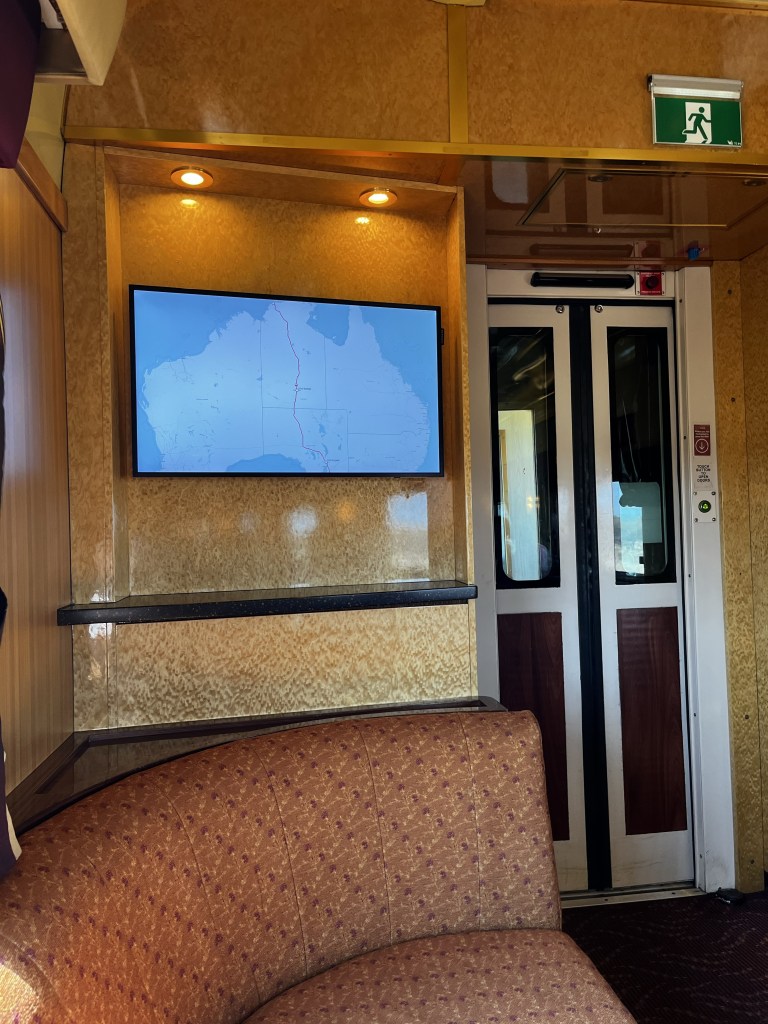
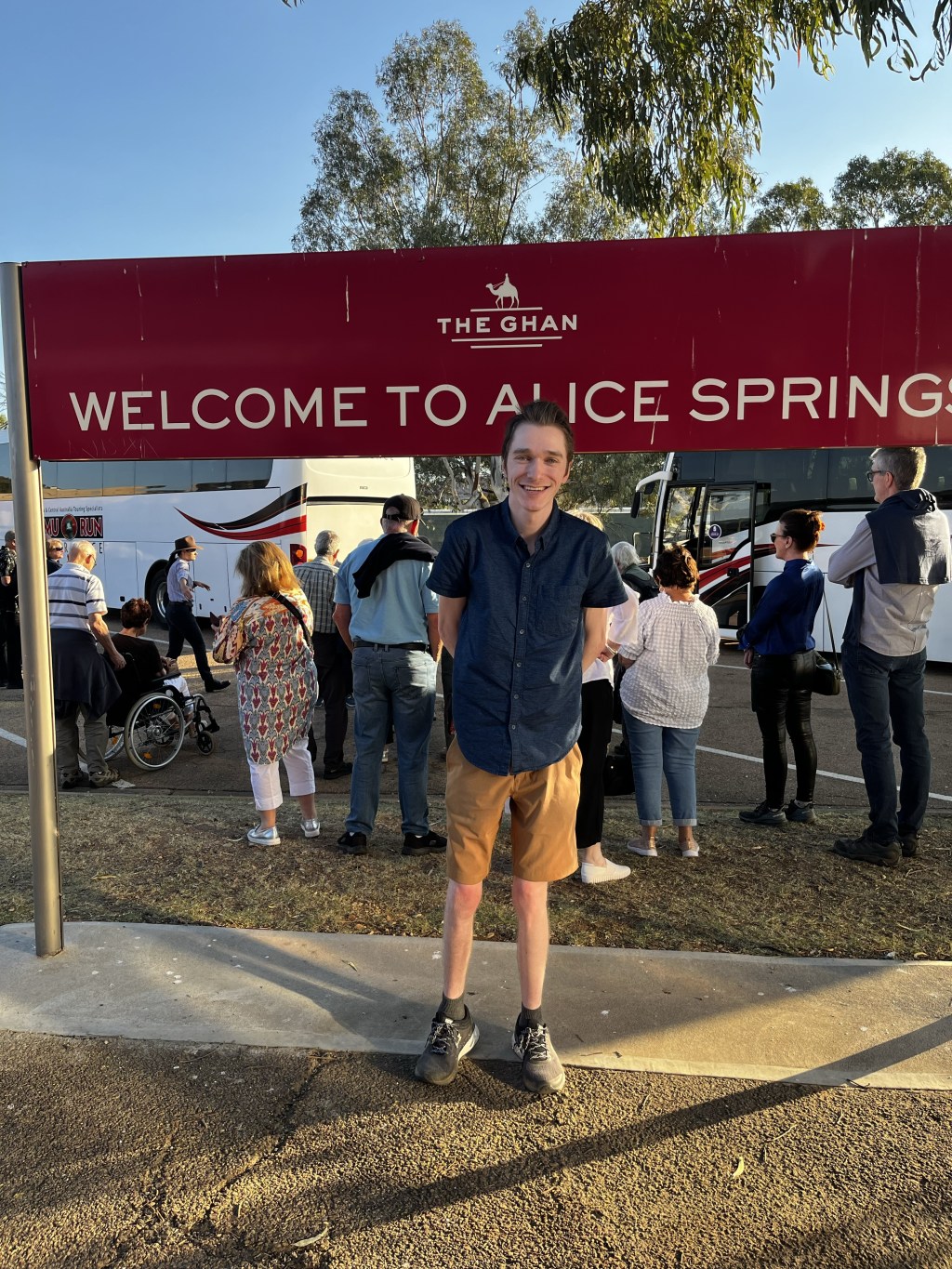
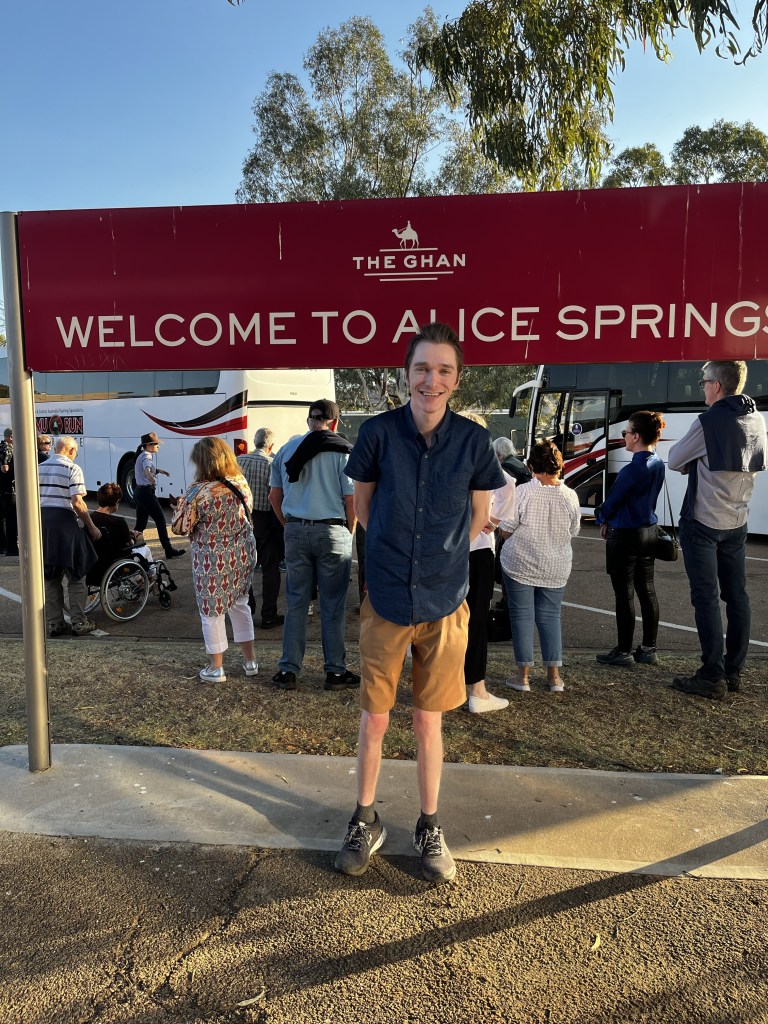
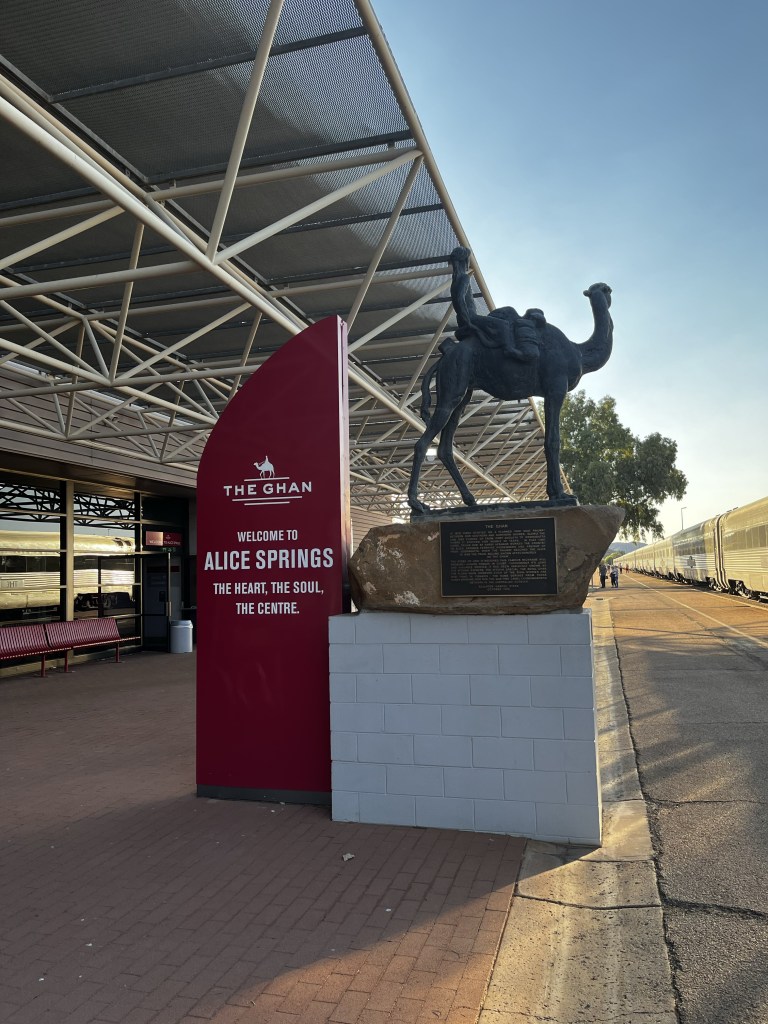
Shortly after 11:00, we arrived in Alice Springs. Today I would be visiting some of the best tourist attractions in the city: the Alice Springs School of the Air, the Royal Flying Doctor Service, and the Alice Springs Reptile Park. On the bus, I sat with Ken, a guy from Melbourne who was with me on the tour of Kakadu National Park, and also happened to be going on The Ghan afterwards.
Our first stop was the Alice Springs School of the Air. This school was established in 1951 to serve students living more than 50 km away from a primary school. Originally using two-way radios, the school now conducts lessons over Microsoft Teams, and equips its students with satellite internet to ensure connectivity throughout the remote outback. Typical enrolment for each year is around 150 students.
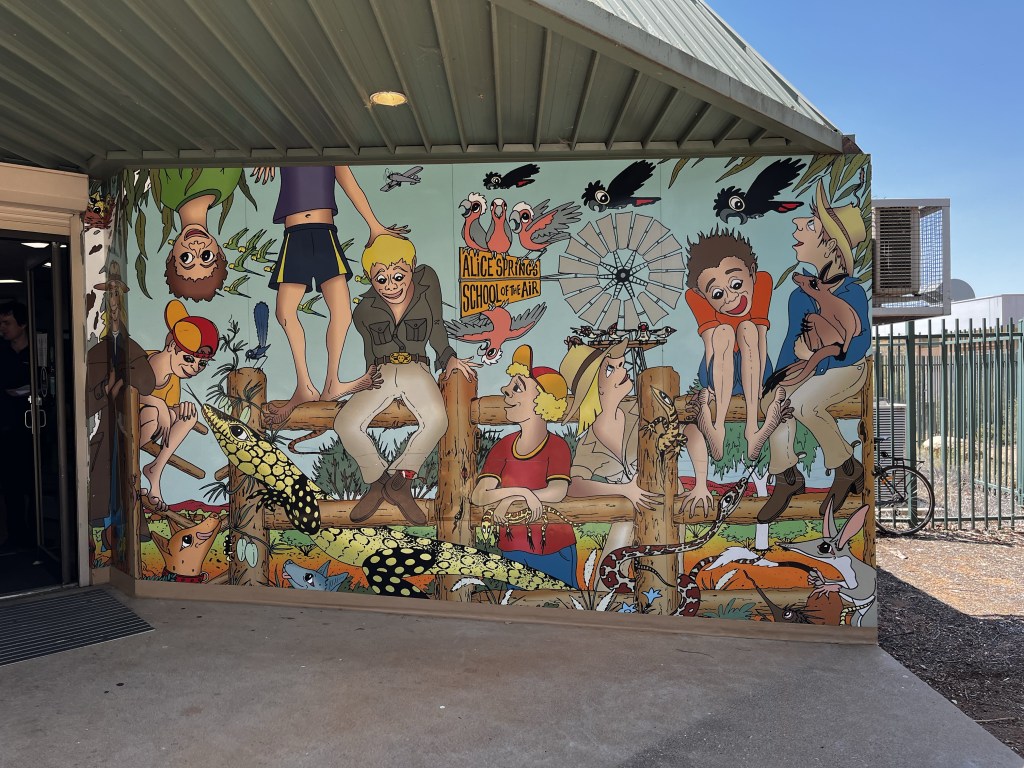
Parents who enrol their kids in the school are required to maintain a tutor to ensure the children remain on task throughout the day. They’re also required to provide a separate “classroom” space in order to qualify for funding. Tuition for the year is around $18,000, although the government typically provides $15,000 of funding.
Students spend one week of the year in Alice Springs to meet their classmates and teachers, and to have some of the more typical school experiences, such as swimming lessons and fun days. Teachers also make one visit per year to each of their students to have a face-to-face connection, although some of these visits require treacherous travel through the sparse outback.
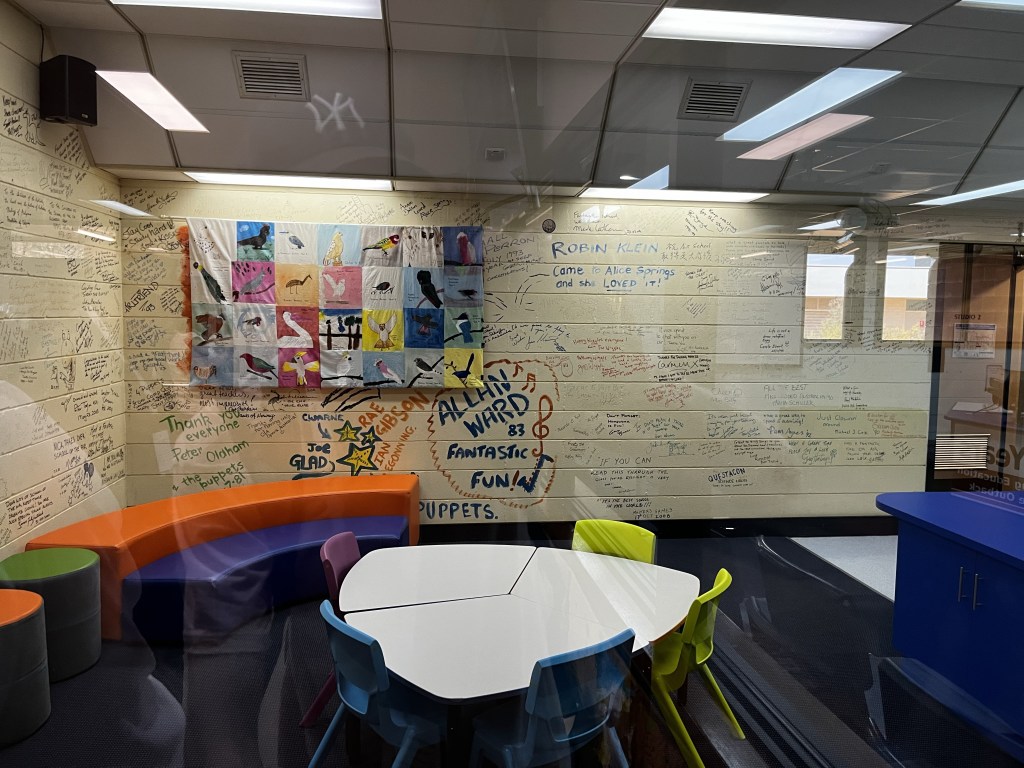
Travelling on The Ghan really puts into perspective just how large Australia is, but the ASSOA makes it just a bit smaller for its students. As a supporter of public education, it’s great to see just how innovative the school is, and it really came into its own during COVID. While the rest of the world adapted to online learning, it was business as usual at ASSOA, and they responded to inquiries from hundreds of principals across Australia and around the world.
During our visit, a former student from the 1970s came and gave a talk about her experience. She lived on a remote cattle station and tuned into her classroom on the radio each morning. At that time, the school only went up to year 6, after which students would go to a boarding school, usually in Adelaide or Darwin. It was interesting to hear about her years attending the school and how it allowed her to gain an education, and eventually become a lawyer.
Afterwards, it was time for lunch, so we took the bus to the Alice Springs Desert Park where The Ghan staff had prepared a buffet for us. Just like on the train, the food was excellent and the drinks were free.
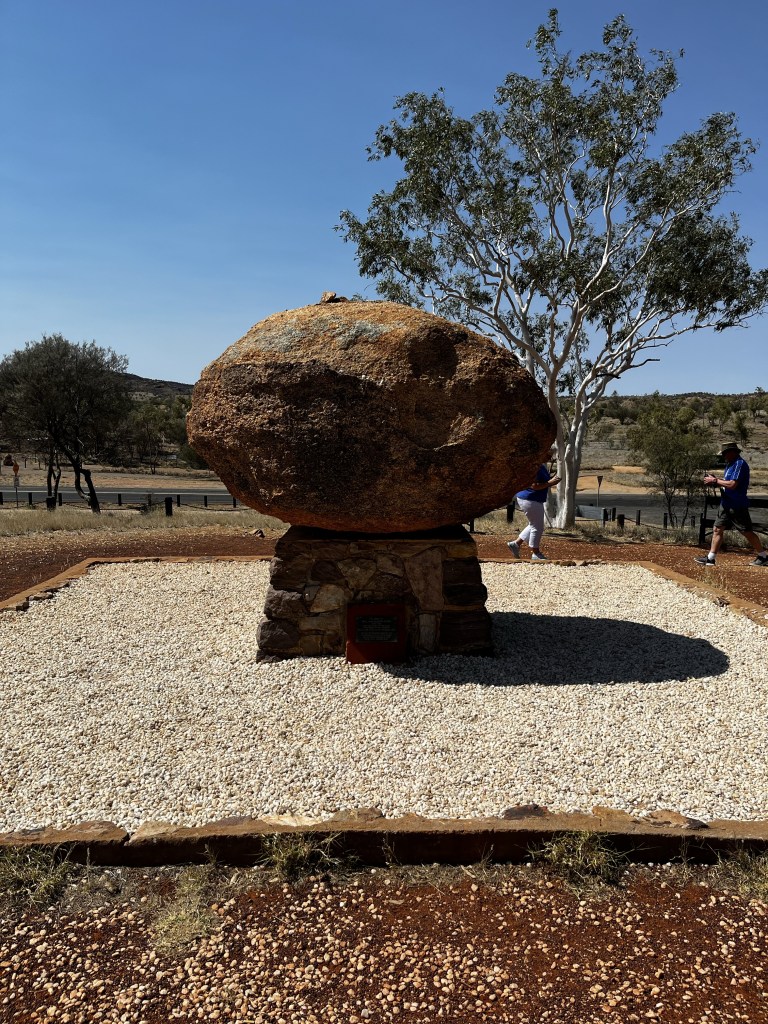
We had more touring planned for the afternoon, but our driver made an unscheduled stop at John Flynn’s grave. We would be stopping at the Royal Flying Doctor Service Museum later in the afternoon where would learn about him, and his contributions to healthcare in Australia.
He is buried under a rock which had been moved from the Devils Marbles. The rock was moved almost 400 km from the park, but due to some confusion regarding the sanctity of the rock for the local Aboriginal people, it was moved back to the Devils Marbles. In 1998, a new rock was returned to John Flynn’s grave, after some negotiations, due to the legacy he left behind.
Our next stop was Anzac Hill, which provided a panoramic vantage point over the town of Alice Springs. Each year, a memorial service is held there on Anzac Day.
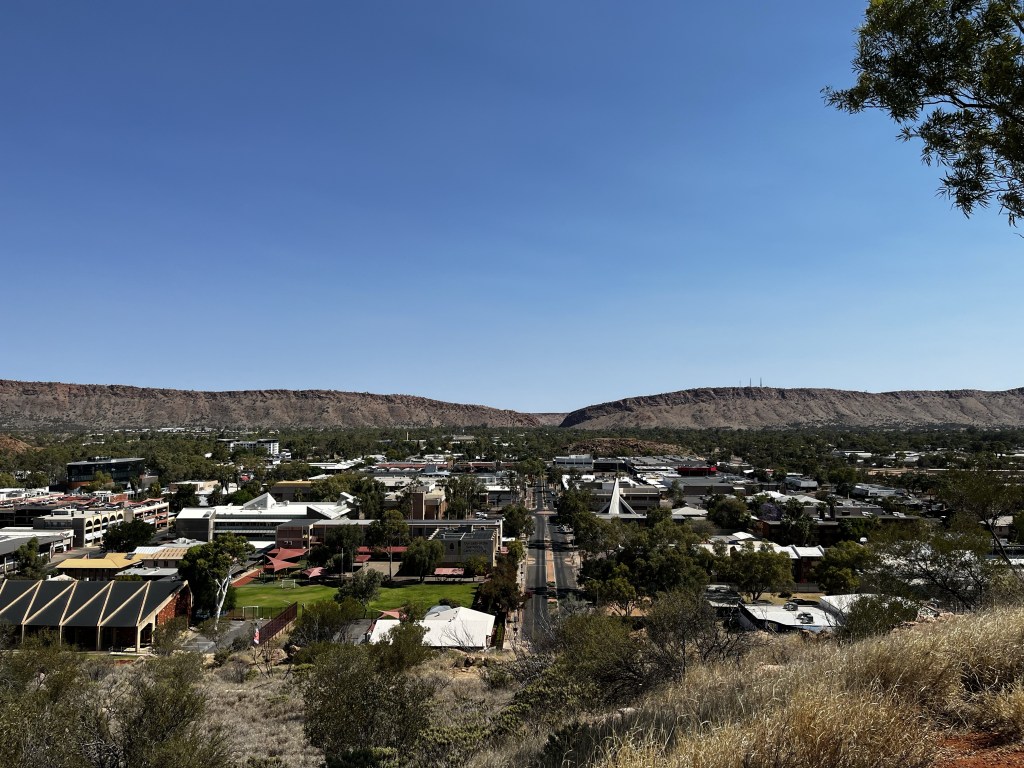
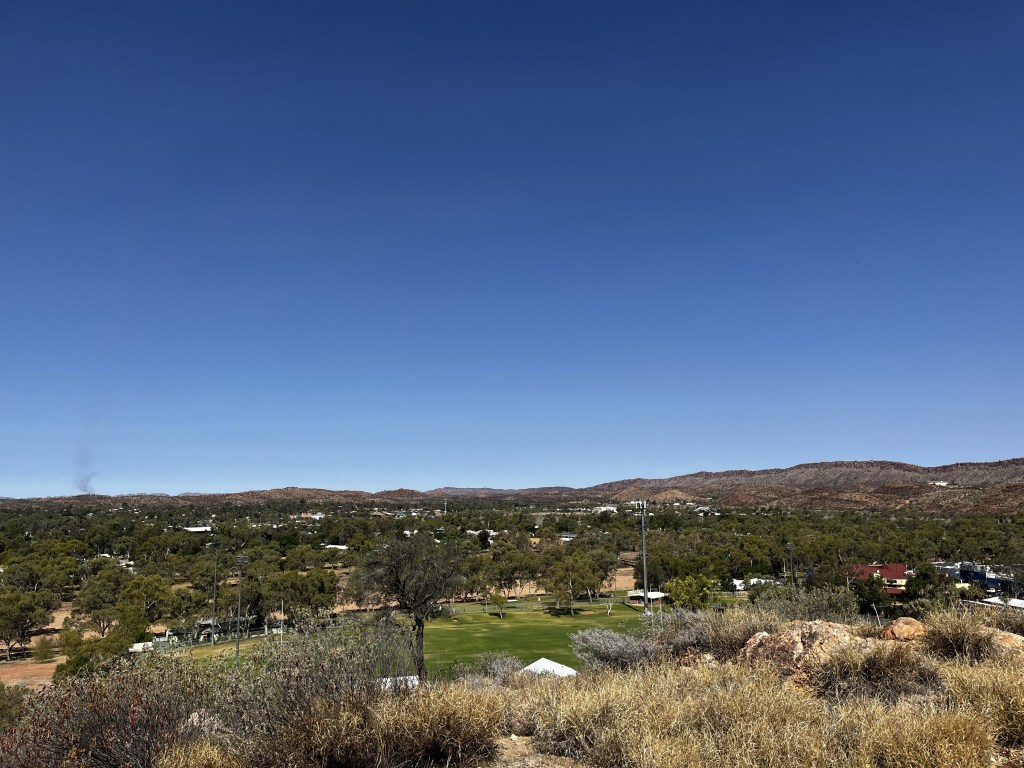
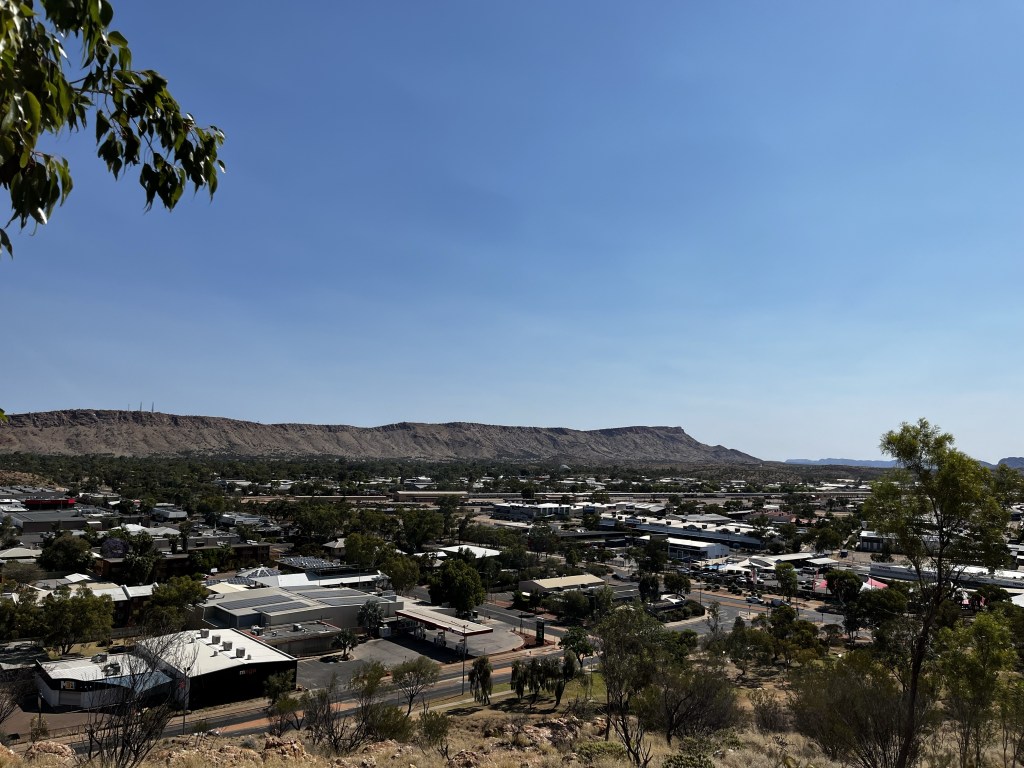
We made our way to the Royal Flying Doctor Service Museum where we watched a 20 minute video detailing the history of the service. It was established in 1928 by John Flynn to provide healthcare services by plane to the remote areas of Australia. Today there are more than 80 planes in the fleet, consisting largely of custom-modified Pilatus PC-12 jets from Switzerland.
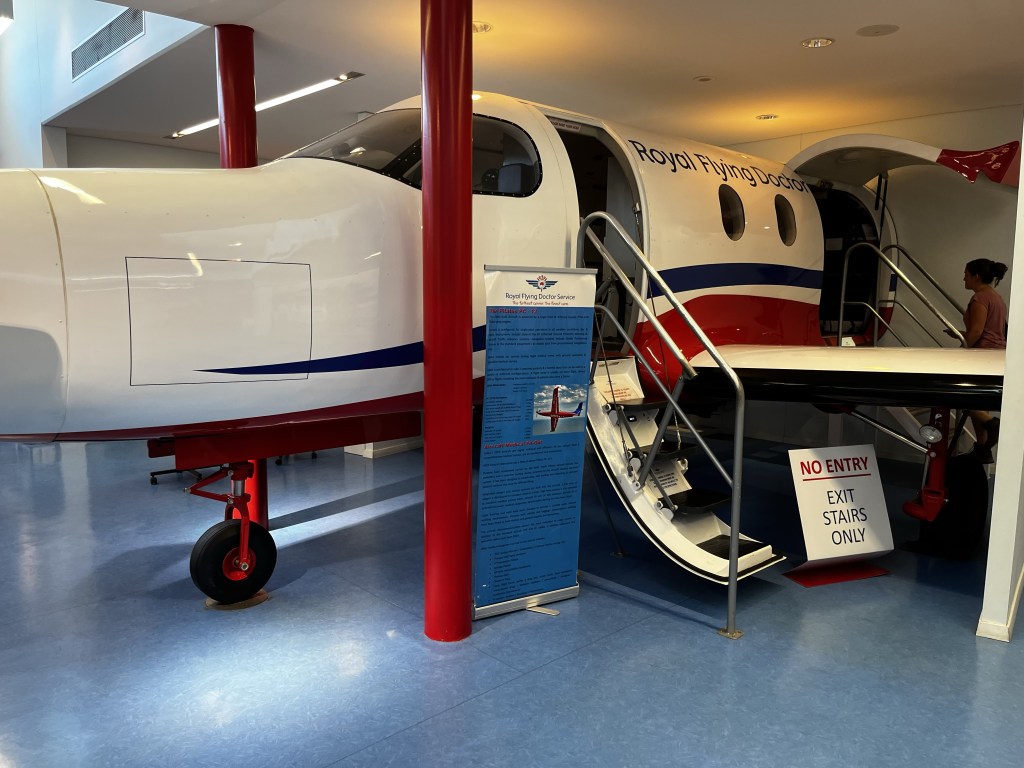
In addition to providing emergency transport, the RFDS also puts up mobile health clinics and offers dental and telehealth services. Covered by Australian medicare, over 300,000 patients are served every year, and RFDS planes travel more than 28 million km. Again, this is another fantastic service that helps to make the remote areas of Australia more accessible for its residents.
Our last stop was the Alice Springs Reptile Park. Our guide, Rex, was very entertaining and let us know what to do in case of a snake encounter. The most common snakes in Australia are the eastern and western brown snakes.
Unlike venomous snakes in other parts of the world, these brown snakes have incredibly tiny fangs and release only a small amount of venom. A bite from a brown snake looks like a small scratch, which is why it’s so deadly: most people don’t realize they’ve been bitten.
Since brown snakes have poor vision and lack the heat sensing abilities of other snakes, the best thing to do is stand still and let it move away before making an exit. They only release venom when threatened, so leaving it alone is the best option.
On average, two people die per year in Australia from snake bites, although many more are bitten and seek treatment immediately. It’s recommended to wear long pants and closed to shoes when in the bush, which is advice I would end up using.
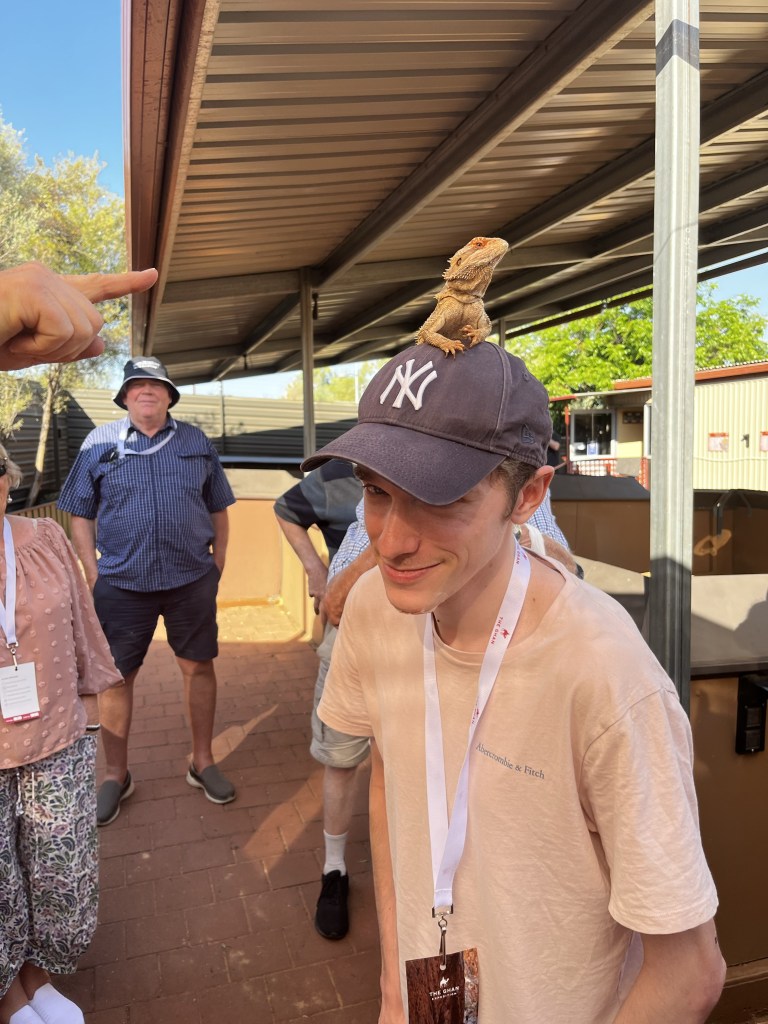
Unfortunately we only had a short amount of time before heading back to the bus, so Rex took us outside to show us Rachel the bearded dragon. He asked if I wanted to hold her, which of course I couldn’t say no.
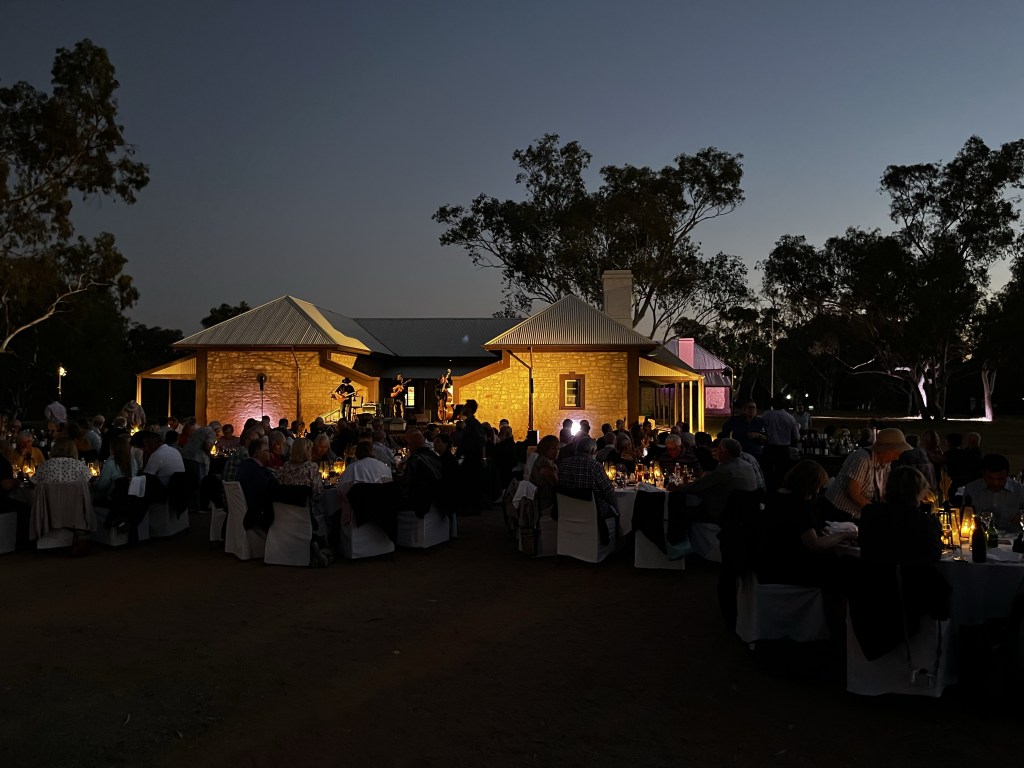
We made our way back to the train, where we had about half an hour to get ready for dinner, which would be at the Alice Springs Telegraph Station. Located just outside of town, the telegraph station was an important link along the Overland Telegraph Line, was connected Australia with the rest of the world. When it was completed in 1872, it reduced the amount of time to send a message from Australia to England from months to just hours.
The dinner was outside and the weather was beautiful, especially compared to the heat further up north. Before long, the sun went down and the steaks came out. It was another beautiful meal, and such a lovely clear night to enjoy it.
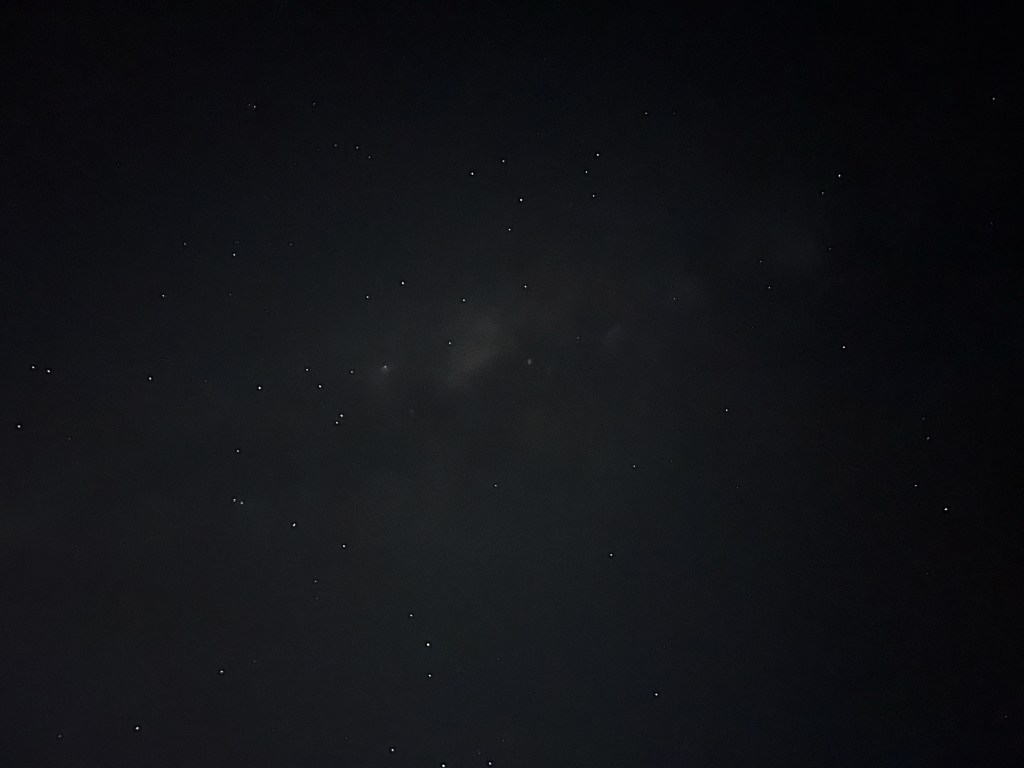
Before heading back to the train, a stargazer gave us a guided tour of the constellations of the southern hemisphere.
I was pretty exhausted after all the food and drink, so I went back on the first bus to the train to get ready for bed. We were asked to switch to South Australia time on the bus since we’d be losing out on an hour of sleep. It was another great day on The Ghan, but I was especially excited to be visiting Coober Pedy the next day.
Today by the numbers
Steps taken: 6,857
Distance travelled: 1,110


Leave a Reply