The lights came on just after 06:00, which was a rude awakening. I had been enjoying my slumber at 39,000 feet, which is a rarity for me. Minutes later, the flight attendant came by with breakfast and a much needed coffee.
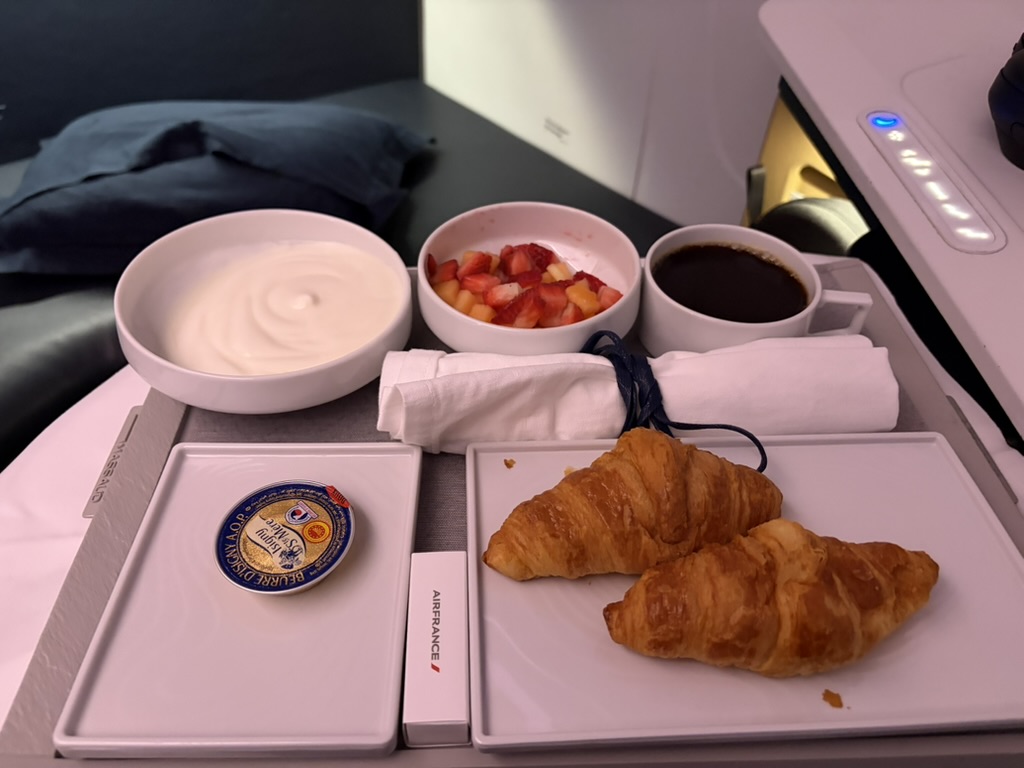
Not too much later, we touched down on the runway and made our long taxi to the gate. I had heard many things about Charles de Gaulle Airport, not many of them positive, so was not looking forward to navigating through it, especially in my sleep-deprived state.
Thankfully, there are some perks to having a disability, and I was whisked through the fast lane, skipping an incredibly long line for European passport control. The line was so long that I didn’t see anyone else from my flight at the baggage claim, and that was after an hour-long wait for my suitcase.
From there, I made my way to the RER station to take the train into Paris. CDG is at one end of RER B, and the train was already very full as I got on. It was 08:30 and I only expected it to get busier as we traversed the northeastern suburbs during rush hour.
This is where I would discover my first criticism of French trains: they all have transverse seating. This is not ideal for busy systems, and especially so for lines which service airports. There was no space to put luggage, and the aisle was cluttered with suitcases.
As I expected, the train filled up at each station. My original plan was to take a metro which would get me closer to my hotel, but didn’t want to fight crowds on another train, so got off at Gare du Nord and walked instead. It turned out that Gare du Nord and Gare de l’Est, where I was staying, were only 10 minutes apart anyway.
It was around 09:30 by the time I got there, and check-in wasn’t until 14:00, so I needed to kill some time. I was pretty exhausted from the little sleep I got on the flight and had no plan, so I walked to Gare de l’Est and got on a random metro to see where I would end up.
Morning rush hour was still in full swing as I got onto a packed line 5 train. I decided to get off at Bastille, the site of the Storming of the Bastille in 1789, one of the key events of the French Revolution.
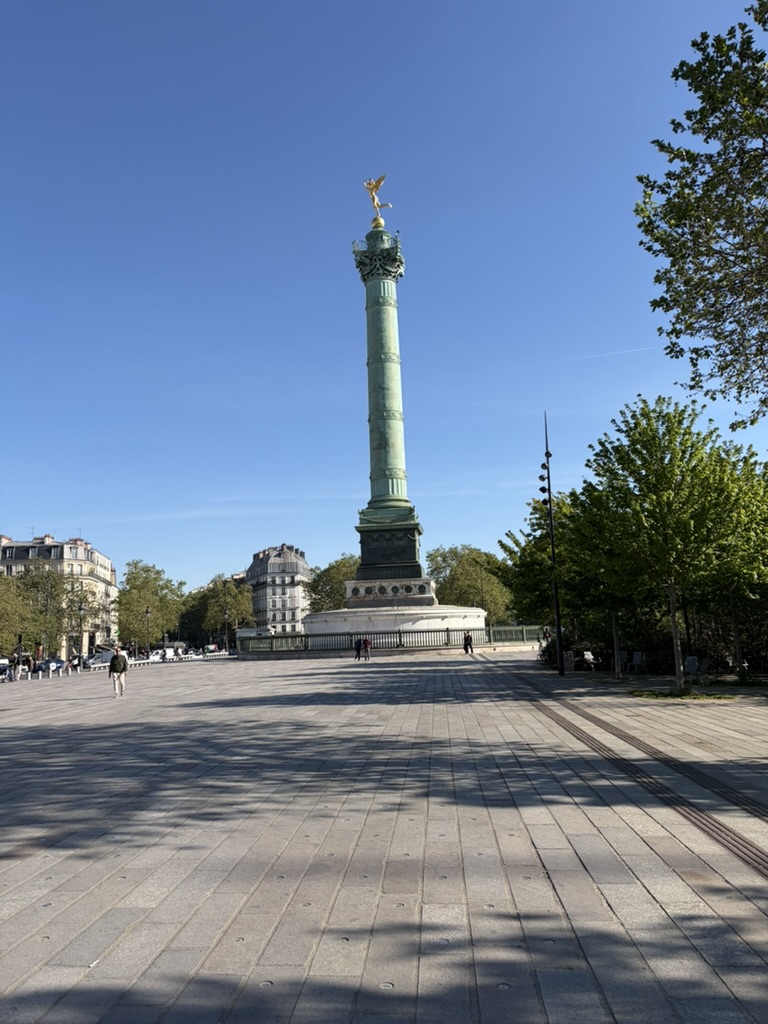
I wandered around the area aimlessly, taking turns down side streets before ending up on Rue de Rivoli by complete coincidence. Taking a break at a cafe, I needed to look up the significance of the name, which I found out to be the Battle of Rivoli in 1797. The battle itself was named after the village of Rivoli Veronese in northern Italy.
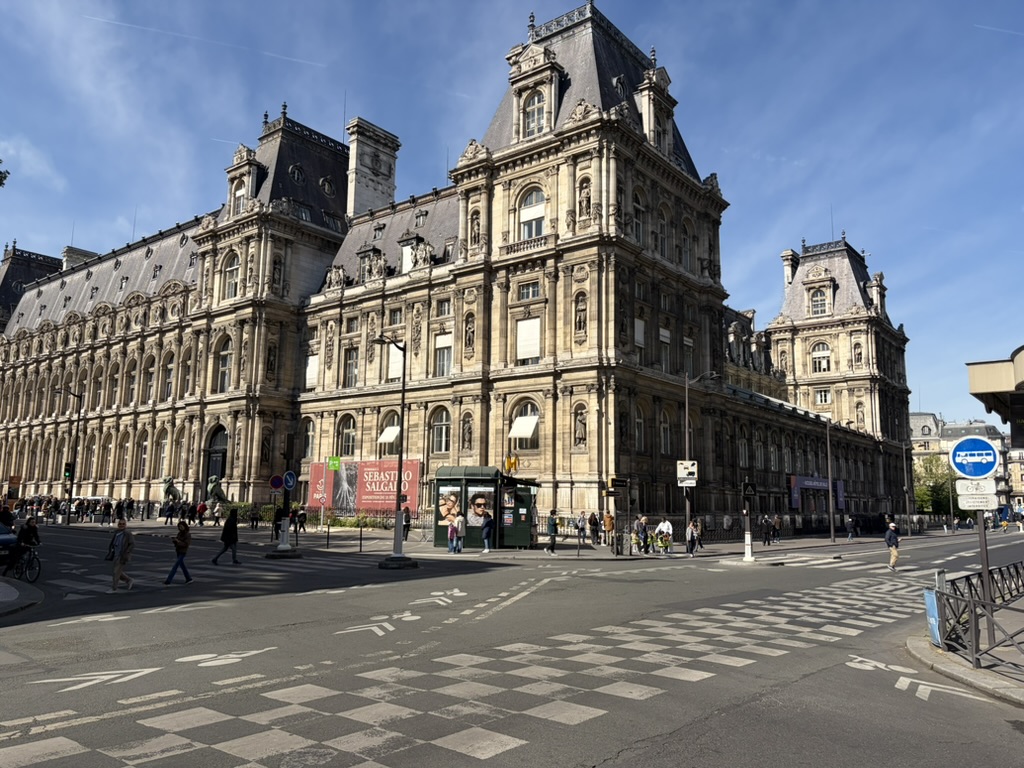
After wandering past the Hôtel de Ville, I hopped on the metro line 1. Line 1 is fully automated, and was the first to be opened, in 1900. I made my way west, getting off ride an RER C train. This train was very long and double-decker, and would be the quietest train I rode in Paris, with not too many people on it around noon.
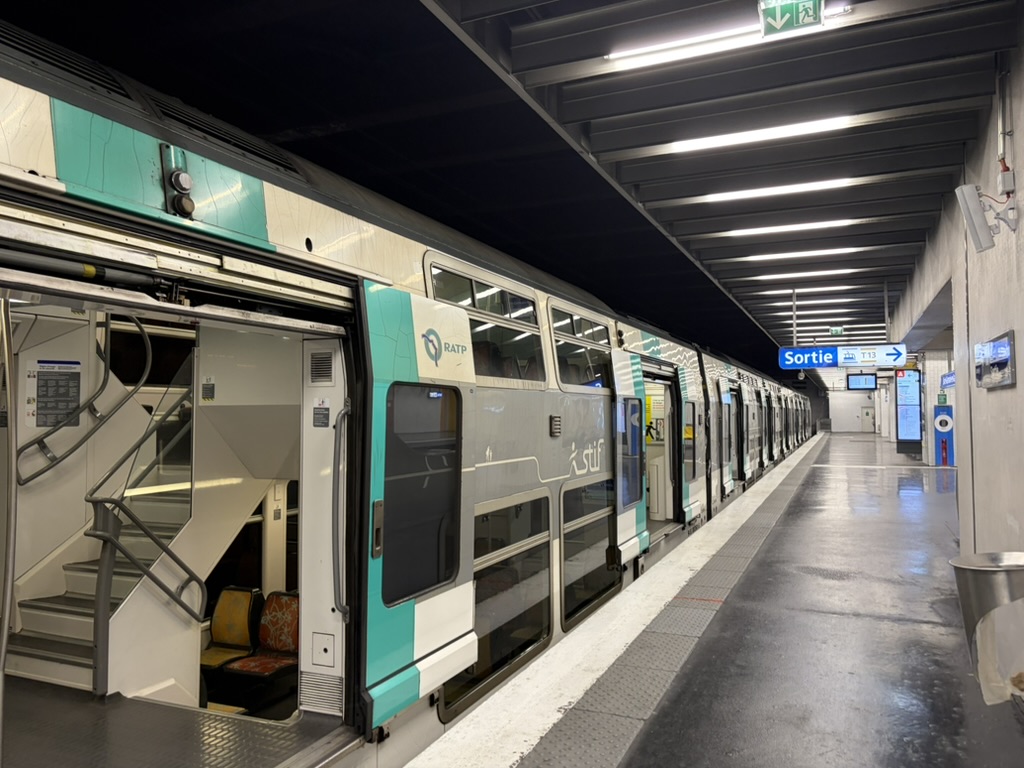
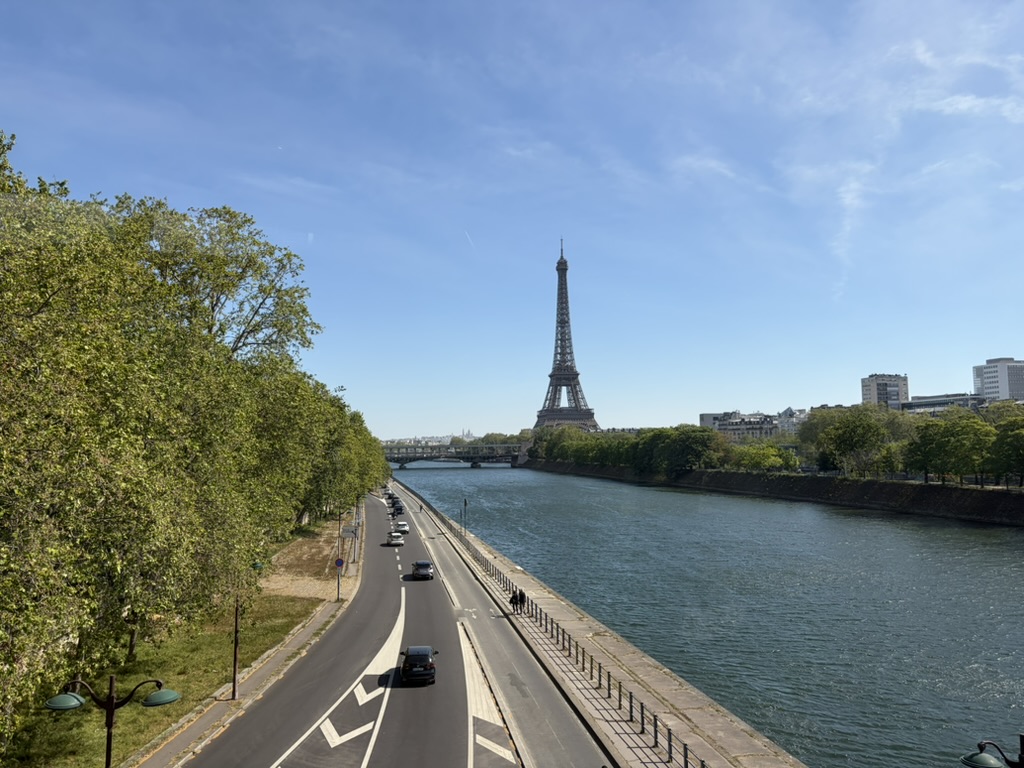
Most RER C trains continue on towards Massy-Palaiseau, but mine finished early near Orly Airport. Orly is the secondary Paris airport, used primarily for domestic and European flights, and was the primary airport until Charles de Gaulle opened in 1974.
The Paris Metro Line 14 had been recently extended to Orly Airport, so I hopped on to head back into the city. I had a craving for some banh mi after walking past a Vietnamese restaurant earlier in the day. Banh mi with fresh French bread was exactly what I needed.
Line 14 is also fully automated, and the trains have huge windows all the way down and in the front, which allow great views of the tunnels. This automation allows trains to run very frequently, with gaps between trains as little as 85 seconds during peak times. Despite this, every line 14 train I rode, regardless of the time of day, was packed.
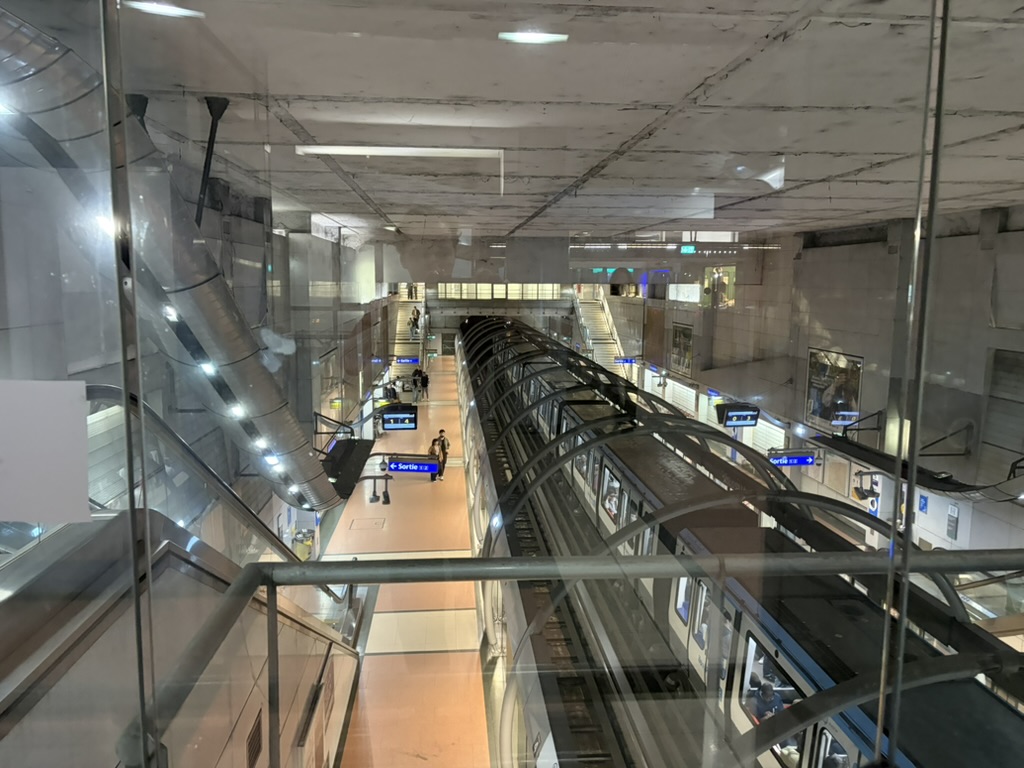
I transferred at Châtelet to get on a line 11 train, and was impressed with the size of the station. 5 metro and 3 RER lines meet here, and were all built as separate stations before being gradually connected together by an underground concourse. A walk from the furthest ends of the complex is over 700 m, but thankfully the wayfinding signage was very clear and I had no trouble making my connection.
I got out at Rambuteau to find the banh mi place busy. A line stretched out of the small restaurant, around the corner and down the block. I considered going somewhere else, but my mind was set, and the wait was absolutely worth it.
Next on the list of places to visit was Notre-Dame. When mom and I went to Paris in 2022, it was still under restoration following the 2019 fire, so we didn’t get a chance to check it out. I reserved a time slot online, which turned out to be a good idea, since the line for those without reservations looked to be over an hour long.
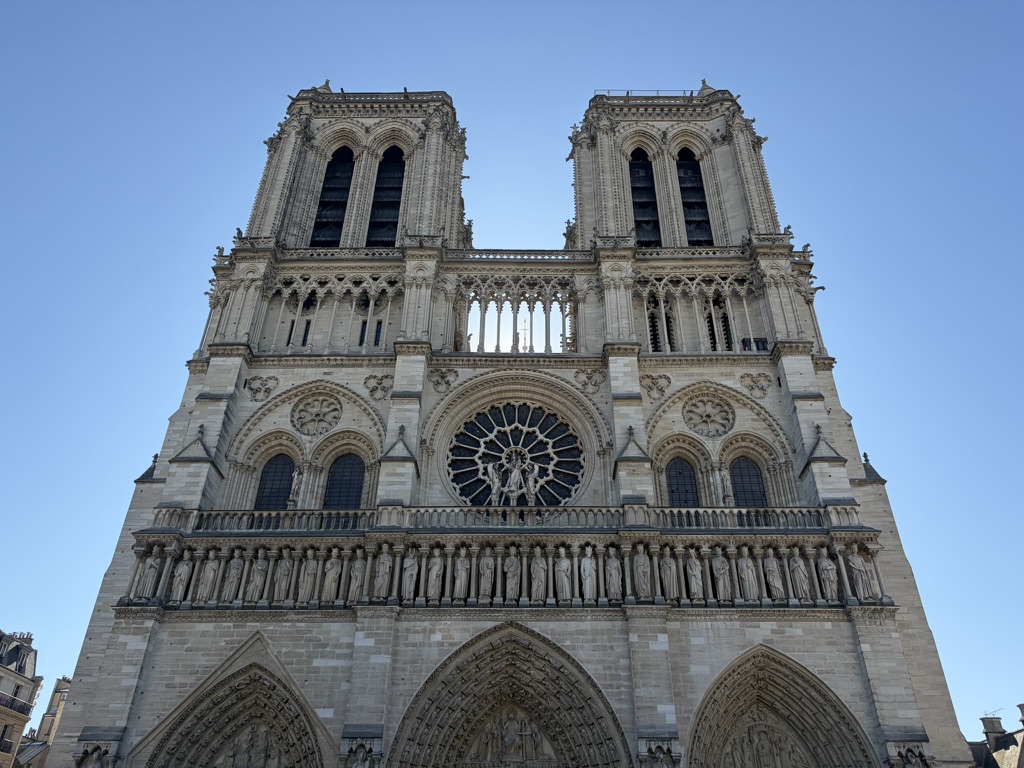
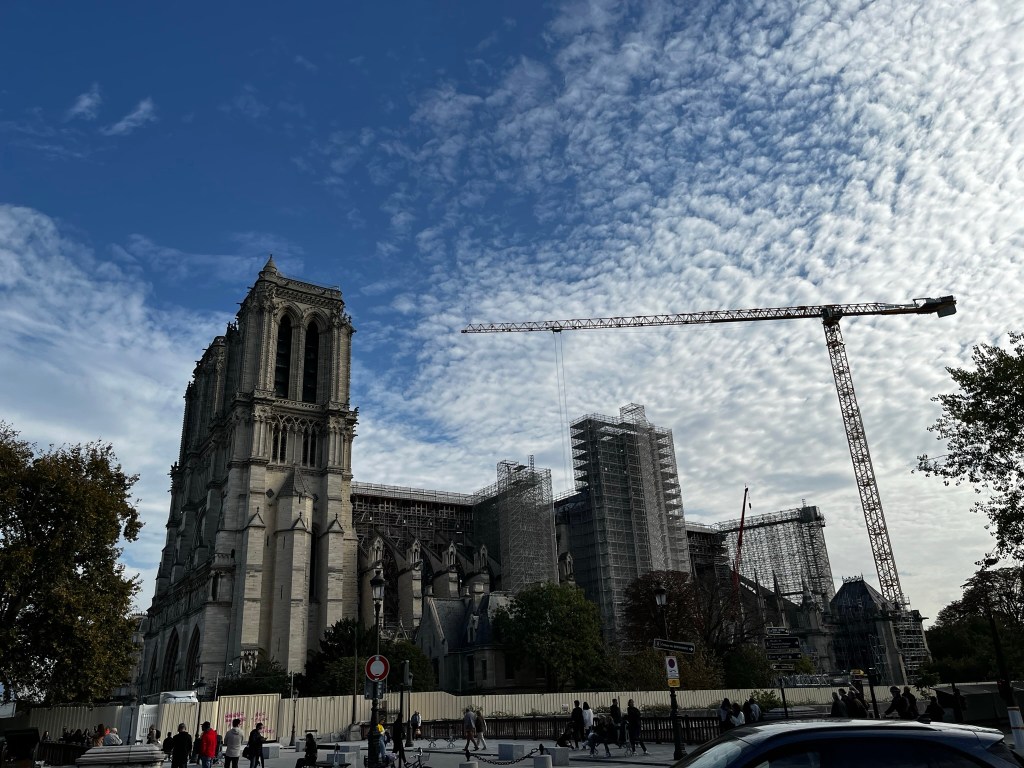
It would be an understatement to say that I’ve seen many churches. I’m not a religious person, so there’s no spiritual significance to me, and it’s gotten to the point where they all start to look the same. Nevertheless, I’m glad I went to check it out.
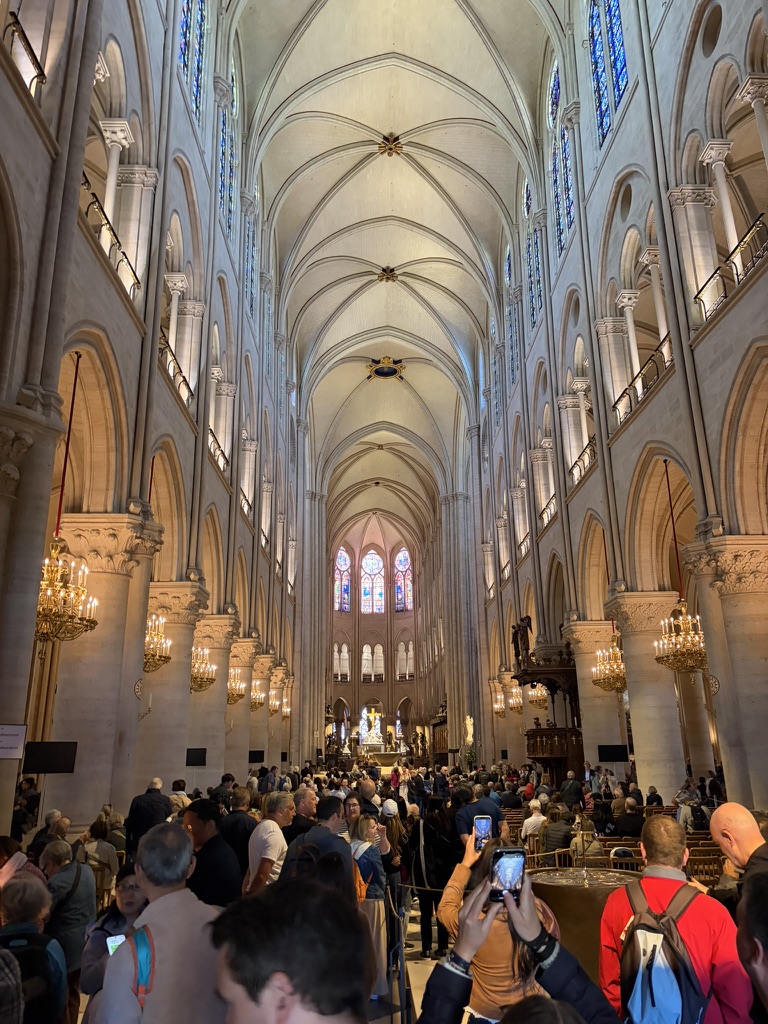
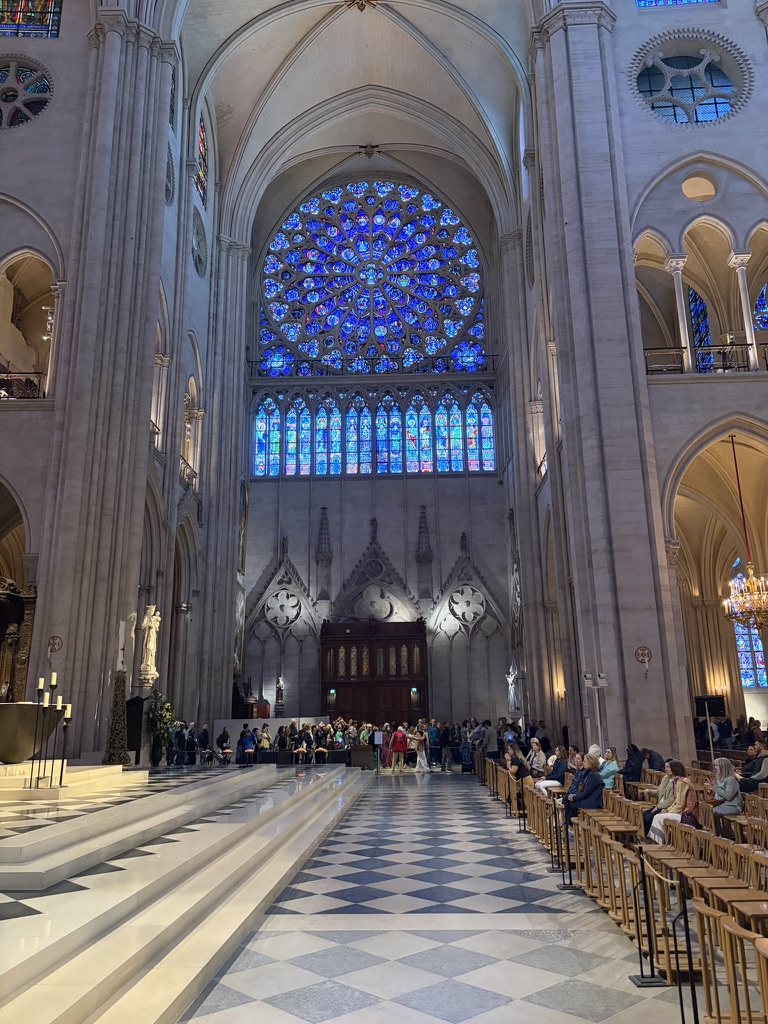
After speed running my walk through the cathedral, I made my way to the south side of the Seine in search of some food. I settled on a Japanese restaurant near the Jardin du Luxembourg, taking a quick break to eat before wandering through the park.
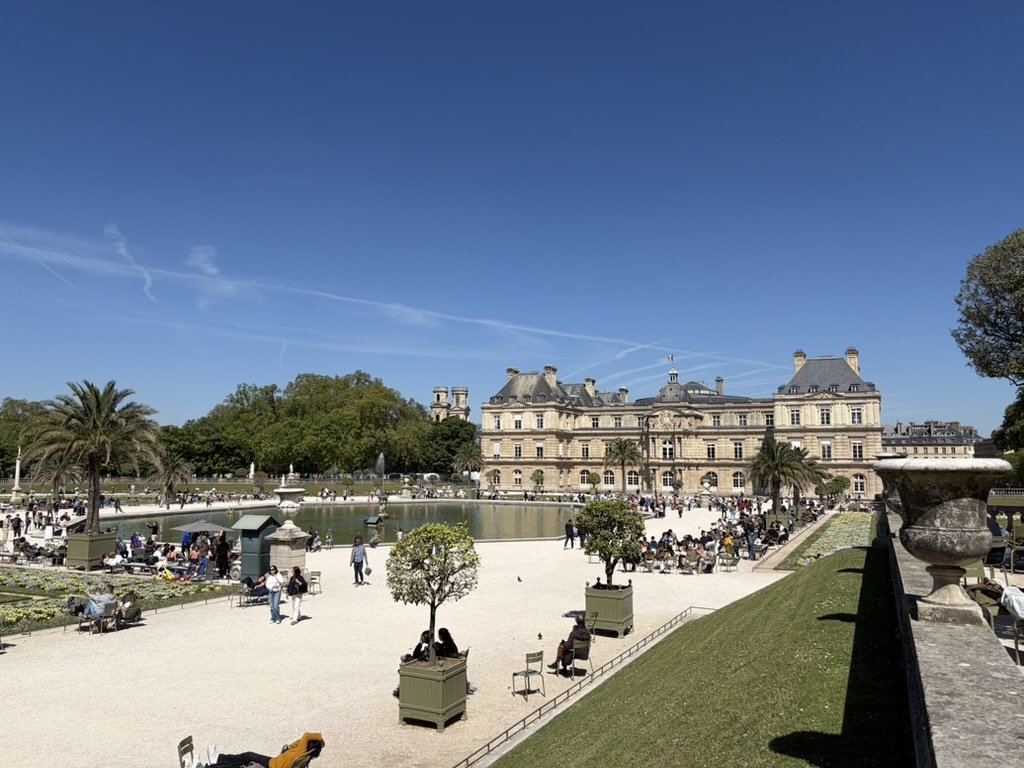
As I walked through the park, I wondered why the gardens, the palace, and many other places in the area were named after Luxembourg, a country several hundred kilometres away. After watching a video from The Tim Traveller later that night, I learned that the namesake was François de Piney-Luxembourg, a Frenchman from the 16th century who claimed to be the Duke of Luxembourg (though it was not a particularly strong claim).
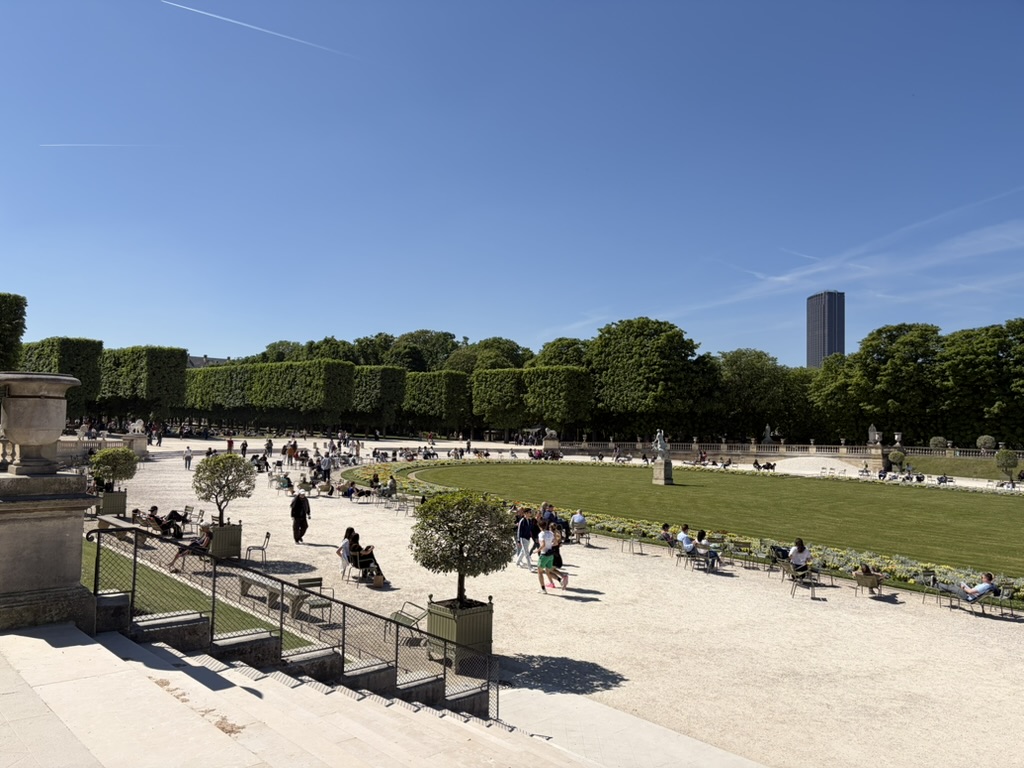
After spending some time in the gardens, I made my way to Luxembourg station to take the RER to the southern suburbs of Paris. I learned that morning that there was a new cable car line which just opened in December, and since my goal was to ride every type of transit in Paris, I had to get over there.
Câble 1 is the first urban ropeway in Paris, and the longest in Europe, at 4.5 km in length. It starts at the southern end of metro line 8, and was built in lieu of an extension of the metro which would have had to contend with challenging topography and a spaghetti bowl of motorway and railway interchanges.
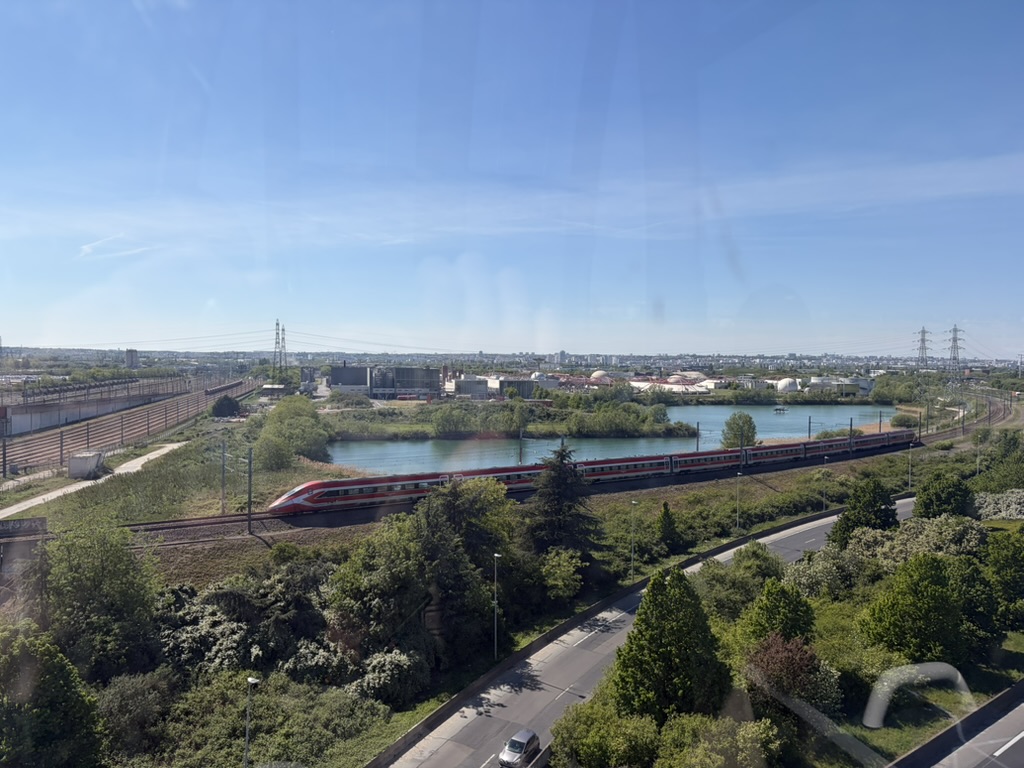
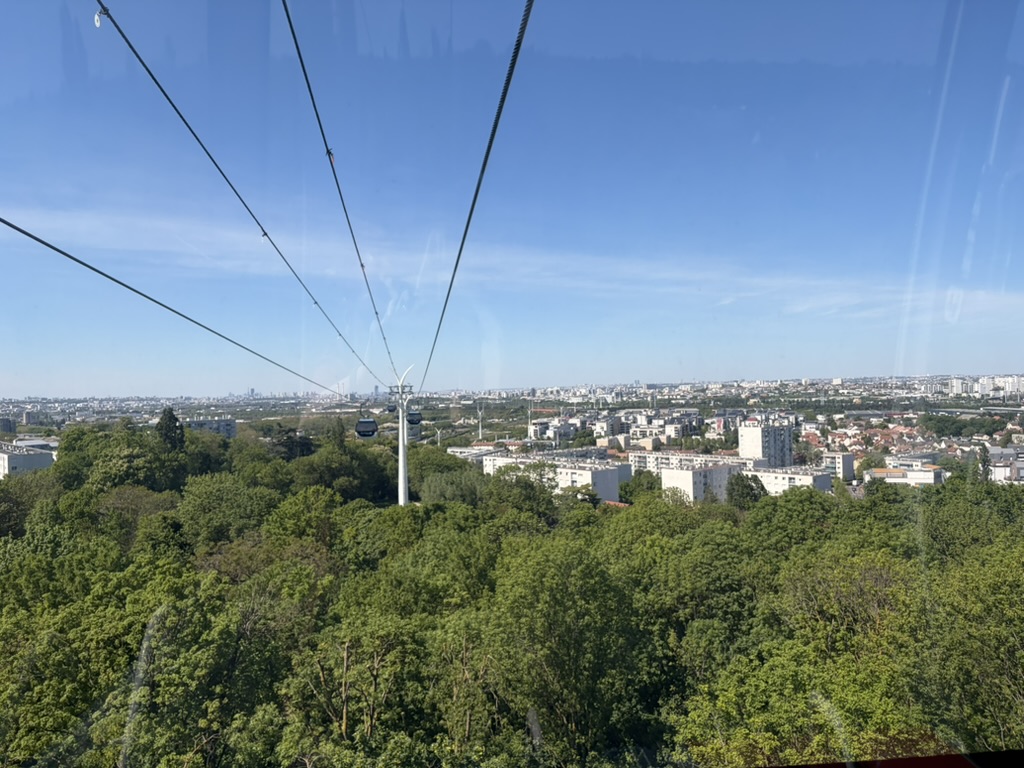
My last stop in the Paris area was a day trip to Versailles. I had wanted to visit ever since learning about the French Revolution, and hadn’t gotten the chance in 2022 as we had just a quick stop in Paris on our bus tour.
Versailles itself is a wealthy suburb of Paris, but of course it is well known for the Château de Versailles, the palace built in the 17th century for the King of France. It was the primary seat of the court of France beginning with Louis XIV in 1682, and became a symbol of the obscene displays of wealth of the elite, contrasted with the relative lack of wealth of the French populace.
Upon arriving at the main entrance after a 20-minute walk from the train station, the gaudiness was immediately apparent, and would be enough make a certain world leader very jealous. The fence surrounding the entrance was gold plated, and there was gold trim over many parts of the exterior.
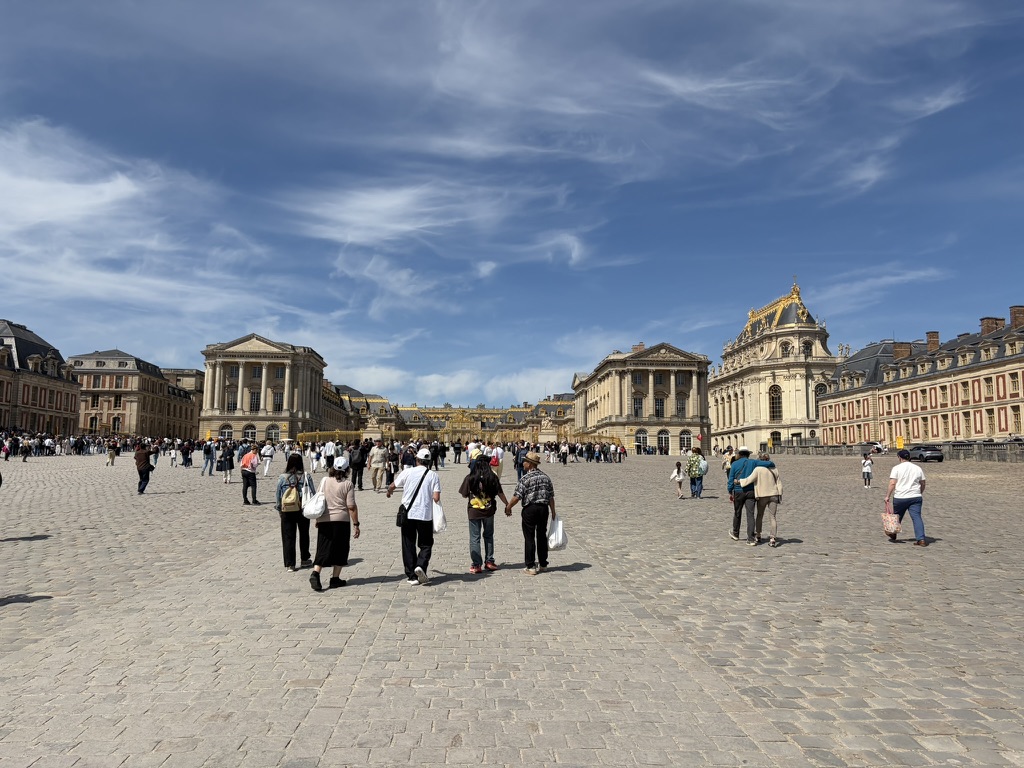
I should have known better than to go on a Saturday. Many others had the same idea as me, and even though I had a timed entry ticket for 13:00, I still had to wait in line for over an hour because the number of visitors within the palace “was a risk to public health”.
I would soon see why once I finally got inside. There were dozens of tour groups, and all the interior spaces were packed wall to wall. I opted not to do the audio tour even though I had downloaded the app, as the sheer number of people had me feeling claustrophobic.
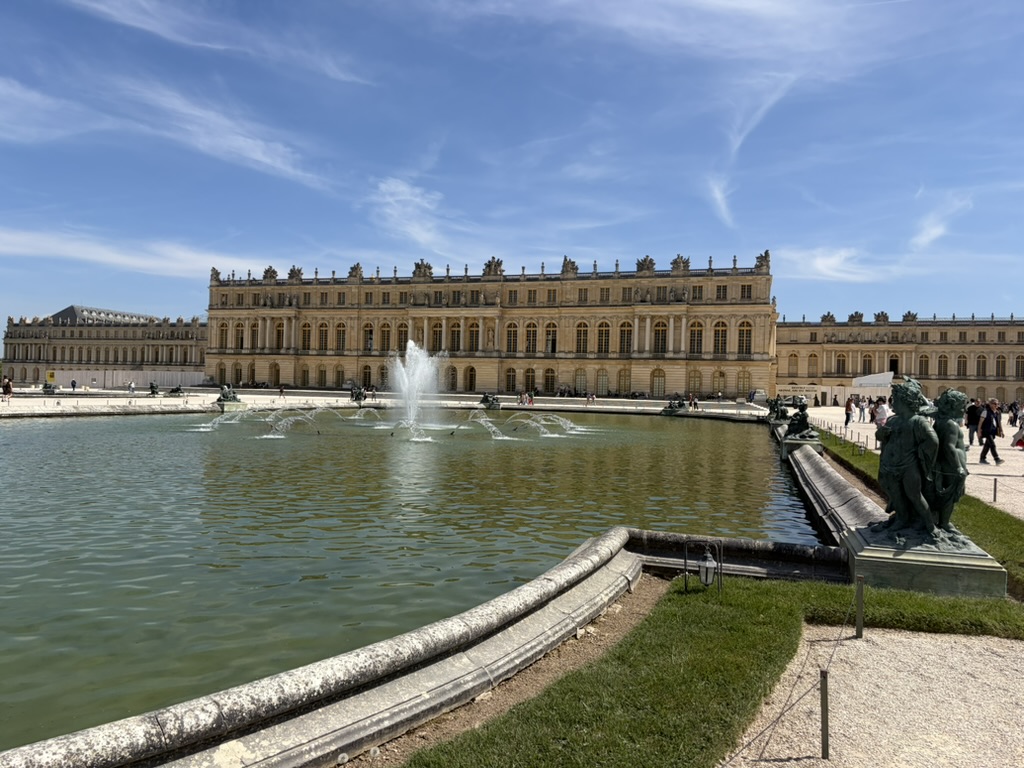
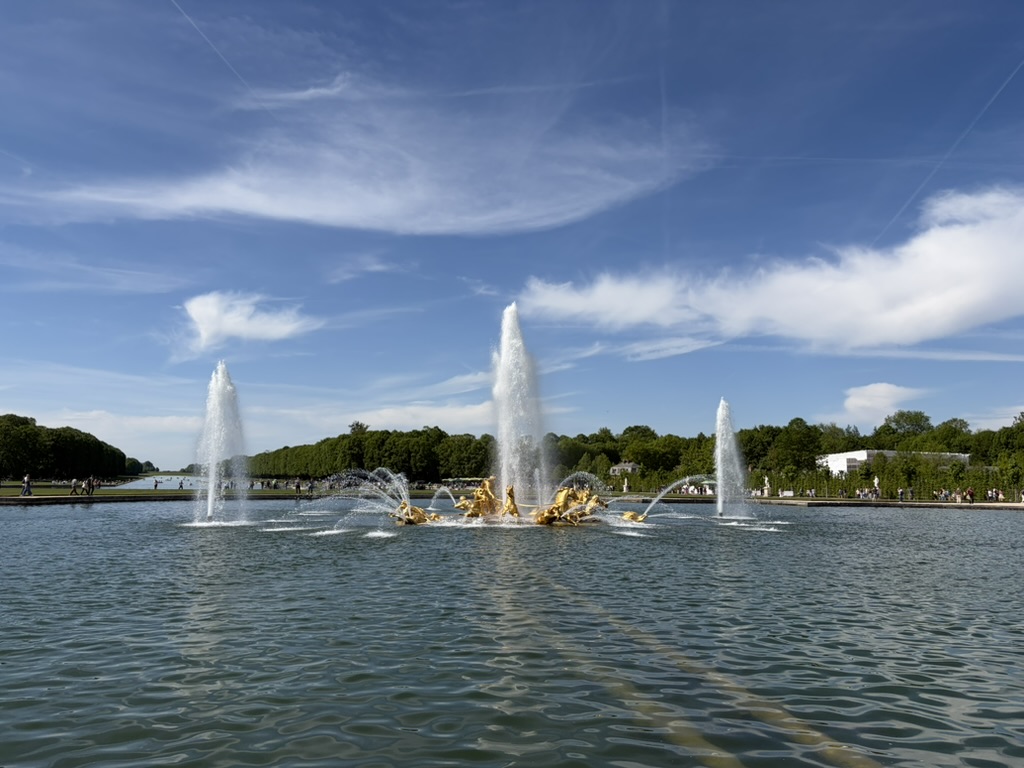
It was a beautiful day, and I walked through the large gardens to the west of the palace. My plan was to walk to the nearby town of Saint-Cyr-l’École to catch a tram, the last form of transit I needed to take.
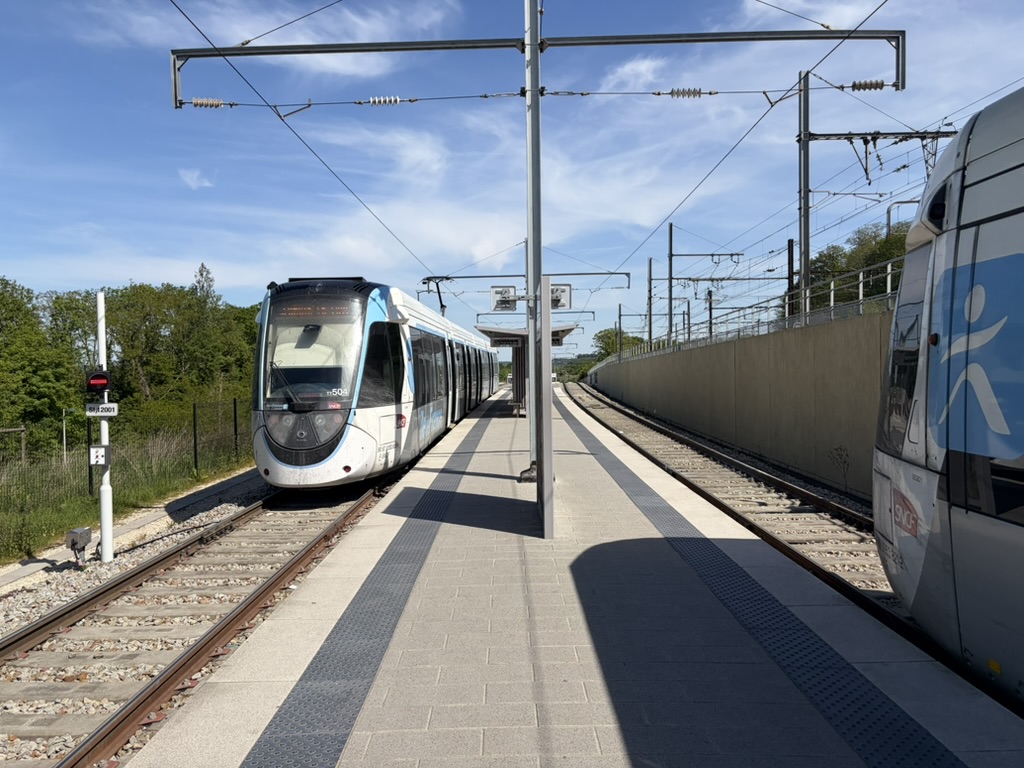
An army of fare inspectors boarded the tram, and were checking to ensure everyone had a valid ticket to ride. I was surprised at how many times I saw fare inspectors on my trip, considering in all the years I’ve taken transit in Edmonton, I’ve never seen one.
Despite skipping out on most of the touristy spots, I quite enjoyed my time in Paris. I would have happily spent a few more days riding transit and exploring neighbourhoods. I’ll certainly be back again so I can explore the museums like the Louvre and Musée d’Orsay.
 Quinn Kozlowski
Leave a comment